 13 February 2026
How to Identify Nutrient Deficiencies in Crops Before It’s Too Late
Healthy crops do not struggle quietly. They always show signs. The problem is that many farmers notice the symptoms when yield has already been affected.
Nutrient deficiencies reduce growth, weaken plants, lower resistance to pests and diseases, and ultimately reduce harvest quality and quantity. The good news is that most deficiencies can be corrected early if you know what to look for and respond quickly with the right nutrition program.
In this guide, we focus on the most common deficiencies in the field and how to manage them effectively using targeted solutions such as Sure Grow High N, Sure Grow High P, Sure Grow High K, and Sure Cal.
Why Early Detection Matters
When a plant lacks nutrients, it cannot perform basic functions like root development, chlorophyll formation, flowering, and fruit development. Even a short period of deficiency can cause long term yield loss.
Many farmers mistake deficiency symptoms for disease or pest attack. Before spraying chemicals, it is important to examine whether the problem could be nutritional.
Understanding how to identify nutrient deficiencies in crops helps you protect your investment and maximize returns.
1. Nitrogen Deficiency
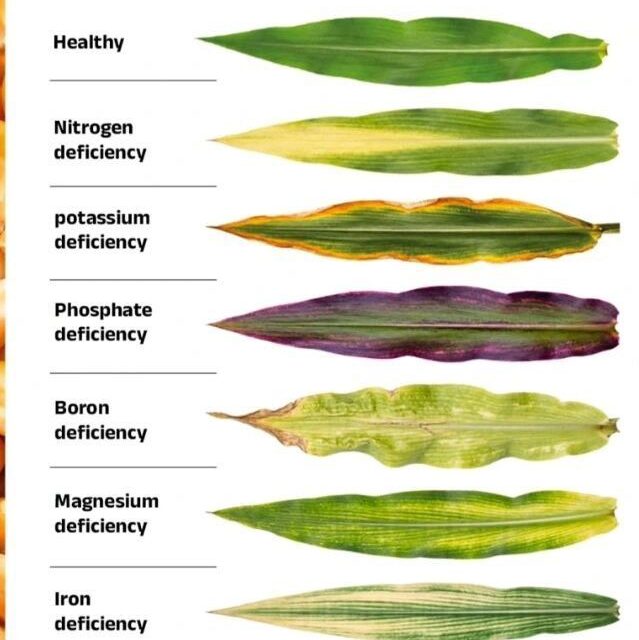
Nitrogen is responsible for vegetative growth. It plays a major role in chlorophyll formation, which gives plants their green color.
Common Signs:
-
Older leaves turn pale green, then yellow
-
Overall stunted growth
-
Thin stems
-
Reduced leaf size
-
Slow development
Nitrogen is mobile in plants. When it is insufficient, the plant moves it from older leaves to younger ones. That is why yellowing starts at the bottom.
Impact on Yield:
Nitrogen deficiency reduces leaf area. Less leaf area means less photosynthesis, which leads to smaller fruits and poor yields.
Solution:
Applying a nitrogen-rich fertilizer such as Sure Grow High N helps restore vegetative strength. This product supports rapid green growth and improves overall plant vigor, especially during early vegetative stages.
Timely correction ensures crops regain healthy leaf development and build a strong foundation for flowering.
2. Phosphorus Deficiency
Phosphorus is essential for root development, energy transfer, and early plant establishment.
Common Signs:
-
Purplish or reddish tint on leaves
-
Stunted growth
-
Weak root systems
-
Delayed maturity
-
Poor flowering
Phosphorus deficiency is common in cold soils or soils with high acidity where nutrient availability is limited.
Impact on Yield:
Weak roots mean poor nutrient and water uptake. Crops struggle to establish properly, affecting final production.
Solution:
Using Sure Grow High P supports strong root formation and early plant establishment. Phosphorus is especially critical at planting and during early growth stages.
Strong roots translate to better nutrient absorption and improved crop resilience throughout the season.
3. Potassium Deficiency
Potassium is responsible for water regulation, disease resistance, and fruit development. It plays a key role in improving crop quality.
Common Signs:
-
Yellowing or browning at leaf edges
-
Leaf scorching
-
Weak stems
-
Poor fruit size
-
Reduced tolerance to drought
Potassium deficiency usually appears on older leaves first because it is mobile within the plant.
Impact on Yield:
Low potassium levels reduce fruit quality, size, and shelf life. Crops also become more vulnerable to stress and disease.
Solution:
Applying Sure Grow High K improves fruit filling, enhances crop strength, and supports better resistance to environmental stress.
For fruiting crops such as capsicum, tomatoes, and potatoes, potassium plays a crucial role in achieving marketable produce.
4. Calcium Deficiency
Calcium is essential for cell wall strength and structural integrity in plants.
Unlike nitrogen, phosphorus, and potassium, calcium is immobile in plants. This means deficiency symptoms appear on new growth first.
Common Signs:
-
Blossom end rot in tomatoes and capsicum
-
Cracked fruits
-
Deformed young leaves
-
Poor root tip development
-
Weak plant structure
Calcium deficiency is often caused by inconsistent watering or poor nutrient balance rather than lack of calcium in the soil.
Impact on Yield:
Calcium deficiency affects fruit quality directly. Crops may look healthy but produce fruits with internal or external damage.
Solution:
Sure Cal provides readily available calcium that strengthens plant tissues and improves fruit quality. It is especially important during flowering and fruit development stages.
Maintaining consistent soil moisture also helps improve calcium uptake.
How to Prevent Nutrient Deficiencies
Correcting deficiencies is important, but prevention is better. Here are practical steps farmers should follow:
-
Conduct soil testing before planting
-
Use balanced fertilization programs
-
Apply nutrients according to crop growth stages
-
Maintain proper irrigation management
-
Monitor crops regularly for early symptoms
For a detailed stage-by-stage feeding approach, read our guide on From Planting to Harvest: A Complete Crop Nutrition Guide (internal link).
You may also explore The Truth About Soil Fertility: Why Your Crop Is Underperforming to understand long-term soil management strategies (internal link).
Final Thoughts
Understanding how to identify nutrient deficiencies in crops is one of the most valuable skills a farmer can develop. Crops communicate through their leaves, stems, and fruits. The key is learning how to read those signals early.
By addressing nitrogen issues with Sure Grow High N, improving root strength with Sure Grow High P, enhancing fruit quality using Sure Grow High K, and strengthening plant structure with Sure Cal, farmers can significantly improve crop performance.
Healthy crops are not accidental. They are built through balanced nutrition, proper timing, and consistent monitoring.