 08 March 2026
10 Powerful Benefits of Agricultural Gypsum for Soil Health
Healthy soil is the foundation of successful farming. Unfortunately, many farmers struggle with soils that are compacted, poorly drained, or lacking essential nutrients. These problems often lead to poor crop growth and lower yields.
One effective solution that many farmers around the world use is agricultural gypsum. This natural soil amendment helps improve soil structure, adds essential nutrients, and creates better growing conditions for crops.
In Kenya, agricultural gypsum is becoming increasingly popular among farmers who want to improve soil health and increase productivity.
This guide explains the key benefits of agricultural gypsum and why more farmers are using it to improve their soils.
What Is Agricultural Gypsum?
Agricultural gypsum is a naturally occurring mineral known as calcium sulfate dihydrate. It contains two essential plant nutrients:
• Calcium
• Sulfur
Unlike many fertilizers, gypsum does not mainly focus on feeding crops directly. Instead, it improves the soil environment, which allows crops to grow stronger and access nutrients more efficiently.
If you would like a deeper explanation of gypsum and how it works, you can read our full guide here:
https://seedpro.co.ke/what-is-agricultural-gypsum-a-complete-guide-for-farmers/
1. Improves Soil Structure
One of the biggest advantages of agricultural gypsum is its ability to improve soil structure.
In many farms, especially those with heavy clay soils, soil particles stick tightly together. This creates compacted soil that limits root growth.
Gypsum helps loosen these soil particles and encourages them to form better aggregates. This makes the soil more crumbly and easier for plant roots to grow through.
2. Improves Water Infiltration
Compacted soils often prevent water from entering the soil easily. Instead of soaking into the ground, water runs off the surface.
Gypsum improves soil structure, allowing water to penetrate the soil more effectively. This helps crops access moisture deeper in the soil and reduces surface runoff.
3. Reduces Soil Compaction
Over time, soil can become compacted due to machinery, heavy rains, or repeated cultivation.
When soil becomes compacted, roots struggle to grow and crops become weaker.
Agricultural gypsum helps break up compacted soil layers, making it easier for roots to expand and access nutrients.
4. Provides Essential Nutrients
Gypsum supplies calcium and sulfur, two nutrients that are very important for plant growth.
Calcium helps strengthen plant cell walls, improving plant structure and disease resistance.
Sulfur plays an important role in protein formation and enzyme activity within plants.
When soils lack these nutrients, crops may struggle to grow properly.
5. Improves Root Development
Healthy roots are essential for crop productivity.
When soil structure improves and nutrients become available, roots can grow deeper and stronger.
Stronger roots allow plants to absorb more water and nutrients, leading to better crop growth.
6. Helps Reduce Soil Salinity
Some soils contain high levels of sodium, which can damage soil structure and reduce crop productivity.
Gypsum helps replace sodium in the soil with calcium. This process improves soil balance and helps restore soil productivity.
For farmers dealing with salty soils, gypsum can be an important soil management tool.
7. Reduces Soil Erosion
When soil structure improves, the soil becomes more stable.
This stability helps prevent soil particles from being washed away by rainfall or irrigation water.
As a result, gypsum can help reduce soil erosion and protect valuable topsoil.
8. Improves Nutrient Availability
Poor soil structure often prevents plants from accessing nutrients that are already present in the soil.
When gypsum improves soil structure, nutrients become more accessible to plant roots.
This helps crops make better use of the nutrients already available in the soil.
9. Improves Crop Quality
Healthy soil conditions lead to healthier crops.
Farmers who use agricultural gypsum often report improvements in crop quality, including stronger plants and better yields.
Crops such as maize, coffee, beans, vegetables, and pasture grasses can all benefit from improved soil conditions.
10. Safe for Long Term Soil Health
Unlike some soil amendments, gypsum does not drastically change soil pH.
This makes it safe for long term soil improvement without the risk of making soils too alkaline.
Because of this, many farmers use gypsum as part of a sustainable soil management strategy.
How Farmers Apply Agricultural Gypsum
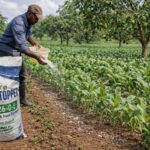
Farmers typically apply gypsum by spreading it across the soil surface and incorporating it lightly into the soil.
Application rates vary depending on soil conditions and crop type.
For the best results, farmers should consider conducting a soil test to determine how much gypsum their soil needs.
Final Thoughts
Agricultural gypsum is a simple but powerful soil amendment that can significantly improve soil health.
From improving soil structure to increasing nutrient availability, gypsum offers many benefits that support healthy crop growth.
For farmers looking to improve productivity and maintain healthy soils, agricultural gypsum can be an important part of sustainable farming practices.