 06 March 2026
8 Benefits of Agricultural Gypsum for Soil Health Every Farmer Should Know
Introduction
Healthy soil is the foundation of productive farming. Every successful harvest begins with soil that supports strong root development, proper nutrient availability, and good water movement.
However, many farmers focus mainly on fertilizers while overlooking soil conditioners that improve the physical condition of the soil. One of the most effective and widely used soil amendments in agriculture is agricultural gypsum.
Agricultural gypsum is a natural mineral composed mainly of calcium sulphate, which provides two important plant nutrients: calcium and sulphur. Beyond supplying nutrients, gypsum works by improving soil structure, allowing water and air to move more freely in the soil.
Farmers around the world use agricultural gypsum to improve soil productivity, reclaim damaged soils, and support healthier crops.
If you are new to gypsum, you can first read our guide explaining what agricultural gypsum is and how it works here:
https://seedpro.co.ke/what-is-agricultural-gypsum/
Understanding how gypsum benefits soil health can help farmers make better decisions when managing their farms.
Below are eight major benefits of agricultural gypsum and why it is an important tool for improving soil health.
1. Improves Soil Structure
One of the most important benefits of agricultural gypsum is its ability to improve soil structure.
Over time, soil can become compacted due to continuous cultivation, heavy rainfall, or machinery traffic. When soil becomes compacted, the spaces between soil particles are reduced. This restricts air circulation and limits root growth.
Gypsum helps bind soil particles together into stable aggregates. These aggregates create small spaces within the soil that allow air and water to move freely.
When soil structure improves, plant roots can grow deeper and spread more easily, which leads to healthier crops and better nutrient uptake.
2. Enhances Water Infiltration
In many farms, rainfall does not fully penetrate the soil. Instead, water runs off the surface, causing soil erosion and loss of valuable nutrients.
Gypsum improves water infiltration by improving soil particle arrangement. With better soil structure, water can move deeper into the soil rather than flowing away.
Improved water infiltration helps crops access moisture for longer periods, which is especially important during short dry spells.
This makes agricultural gypsum a valuable tool in improving water management in crop production systems.
3. Supplies Essential Calcium for Crops
Calcium is an essential nutrient required for plant growth and development. It plays an important role in strengthening plant cell walls and maintaining structural stability in plants.
When crops receive adequate calcium, they develop stronger stems, healthier leaves, and better quality fruits.
Agricultural gypsum provides calcium in a form that is easily available to plants through the root system.
Calcium nutrition also helps prevent common crop disorders such as blossom end rot in tomatoes and peppers.
If you want to learn more about nutrient related crop problems, read our guide on identifying nutrient deficiencies here:
https://seedpro.co.ke/how-to-identify-nutrient-deficiencies-in-crops-before-its-too-late/
4. Provides Sulphur for Plant Growth
Sulphur is another essential nutrient that plays a key role in plant metabolism.
It contributes to:
• Protein formation
• Chlorophyll production
• Enzyme activation
• Improved crop quality
In modern agriculture, sulphur deficiencies are becoming more common because many fertilizers do not contain sulphur.
Agricultural gypsum supplies sulphur naturally and helps maintain balanced soil nutrition.
According to research from the Food and Agriculture Organization, balanced nutrient management is essential for maintaining long term soil fertility and crop productivity.
Adding gypsum to soil helps replenish sulphur levels and supports healthy plant growth.
5. Reduces Soil Surface Crusting
Some soils form a hard crust on the surface after heavy rainfall. This crust can prevent young seedlings from emerging through the soil.
Poor seedling emergence leads to uneven crop stands and reduced plant populations in the field.
Gypsum improves soil particle stability and prevents the formation of this hard crust. When the soil surface remains soft and porous, seedlings can emerge more easily and establish healthy growth.
Good crop establishment is one of the most important steps toward achieving high yields.
6. Helps Reclaim Sodic Soils
Sodic soils contain high levels of sodium, which negatively affects soil structure and crop growth.
These soils often appear sticky when wet and very hard when dry. Water infiltration is poor, and plants struggle to grow in such conditions.
Agricultural gypsum is widely used to reclaim sodic soils. The calcium in gypsum replaces sodium on soil particles. This process improves soil structure and allows water to move more freely through the soil.
Over time, rainfall or irrigation washes the excess sodium deeper into the soil profile, gradually improving soil fertility.
This makes gypsum one of the most effective soil amendments for rehabilitating damaged soils.
7. Encourages Strong Root Development
Healthy roots are essential for crop productivity. Roots are responsible for absorbing water and nutrients that support plant growth.
When soil is compacted or poorly structured, roots struggle to grow and remain shallow.
By improving soil structure and providing calcium, agricultural gypsum creates ideal conditions for root development.
Crops grown in gypsum treated soils tend to develop deeper and stronger root systems.
Strong roots help plants access nutrients more efficiently and make them more resilient during drought conditions.
8. Improves Nutrient Efficiency in Soil
Soil structure plays a major role in nutrient availability. When soil is compacted, nutrients may remain trapped and unavailable to plants.
Gypsum improves soil structure and promotes better microbial activity. This allows nutrients to move more freely within the soil and become more accessible to crops.
Improved nutrient efficiency means farmers can get better results from fertilizers and other crop nutrition programs.
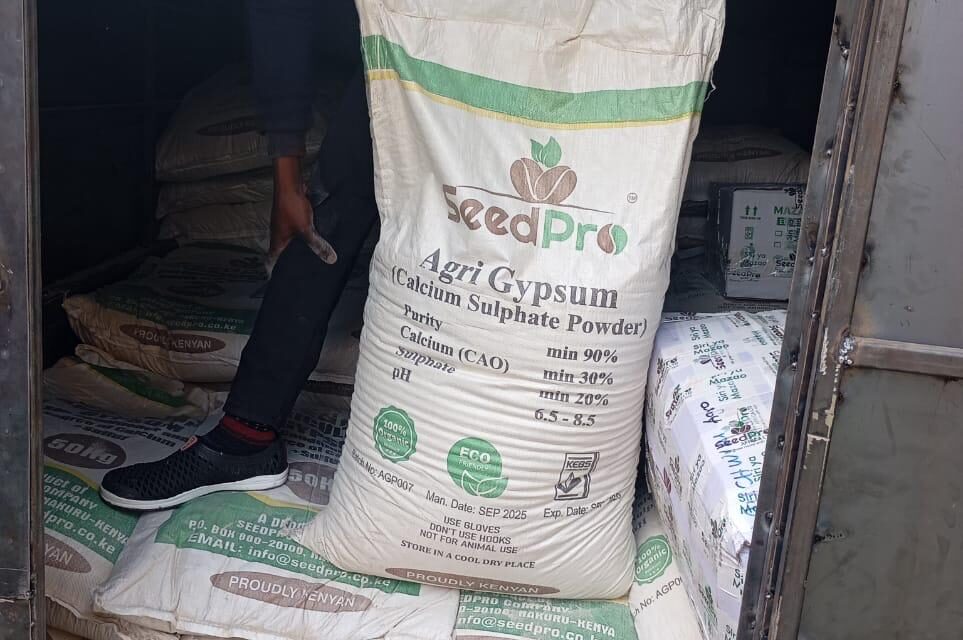
For farmers looking to improve soil fertility, soil conditioners like SeedPro Agri Gypsum can be an effective addition to their soil management strategy.
Why Soil Health Matters for Sustainable Farming
Healthy soil does more than support plant growth. It also helps improve water retention, reduce erosion, and support beneficial microorganisms.
When soil is healthy, crops become more resilient and farming systems become more sustainable.
Investing in soil improvement practices today helps farmers maintain productivity for many seasons to come.
Agricultural gypsum is one of the simplest and most effective ways farmers can improve soil health.
Conclusion
Agricultural gypsum is a powerful soil amendment that offers many benefits for farmers. From improving soil structure and water infiltration to supplying essential nutrients like calcium and sulphur, gypsum plays a critical role in maintaining healthy soils.
Farmers who focus on soil health often achieve stronger crops, better nutrient efficiency, and improved yields.
Incorporating agricultural gypsum into soil management programs can help transform difficult soils into productive farmland.
Healthy soil leads to healthy crops, and healthy crops lead to successful farming.