17 August 2026
Cabbage Farming in Kenya: Complete Guide to Growing Big, Firm Heads
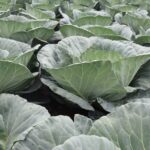
Cabbage farming in Kenya can be a profitable agribusiness when farmers get the basics right, from choosing the right variety and preparing the soil to managing water, pests and crop nutrition. But one of the biggest questions farmers ask is simple: How do you grow big, firm and marketable cabbage heads?
The answer is not one fertilizer or one farming practice. Cabbage is a heavy-feeding crop, meaning it needs balanced nutrition throughout its growth cycle. KALRO recommends proper soil testing and split fertilizer application because cabbage removes significant amounts of nutrients from the soil.
This guide explains how to grow cabbage in Kenya and how a stage-based SeedPro nutrition program can support strong establishment, healthy leaf growth and quality head formation.
1. Choose the Right Cabbage Variety
Before planting cabbage, consider your target market, climate, disease pressure and the maturity period of the variety.
Popular cabbage varieties grown in Kenya include Gloria F1 and several other hybrid and open-pollinated varieties. KALRO notes that cabbage is widely grown in Kenya for both household consumption and income generation.
Your variety also influences the recommended spacing. Common commercial spacing includes approximately 60 cm between rows and 45 to 60 cm between plants, although farmers should always follow the recommendations for their specific variety.
2. Prepare the Soil Before Planting
Good cabbage production starts with good soil.
Cabbage performs best in fertile, well-drained soil. Before planting, carry out a soil test to understand the soil pH and nutrient status. This helps you know which nutrients are required instead of applying fertilizer blindly.
Incorporate well-decomposed manure or compost into the soil before transplanting. KALRO’s cabbage recommendations also emphasize incorporating organic manure and applying fertilizer according to soil requirements.
Where the soil requires additional calcium or correction based on the soil test, appropriate soil amendments can be incorporated before planting.
3. Use the Right Planting Fertilizer
Strong roots are the foundation of a productive cabbage crop.
At transplanting, SeedPro DAP Plus can be used as part of the planting nutrition program. DAP Plus contains 13:32:4 together with sulphur, calcium and magnesium, providing nutrients that support early crop establishment.
The fertilizer should be properly mixed with the soil and should not come into direct contact with the seedling roots.
The goal at planting is not simply to feed the plant. It is to establish a strong root system that can efficiently take up water and nutrients throughout the season.
You can also read our detailed guide on DAP Plus fertilizer benefits to understand more about planting nutrition.
4. Support Early Growth After Transplanting
After transplanting, cabbage needs to establish quickly and produce a healthy canopy.
This is where a combination of good soil fertility, adequate moisture and foliar nutrition becomes important.
Maximizer, SeedPro’s biostimulant, can be incorporated into the crop nutrition program to support nutrient uptake, plant vigor and recovery from transplanting or environmental stress. SeedPro describes Maximizer as a biostimulant designed to support plant physiological processes, root development and nutrient uptake.
During active vegetative growth, Macro Pro can also provide balanced foliar nutrition. Macro Pro contains NPK 25:25:20 together with magnesium and trace elements and is listed by SeedPro for vegetables and other crops.
Always follow the product label and crop-specific recommendations when preparing foliar applications.
5. Build a Strong Cabbage Canopy
Large cabbage heads begin with a healthy canopy.
The leaves are responsible for capturing sunlight and producing the energy the plant later uses during head formation. This means farmers should not wait until the cabbage starts forming a head before thinking about nutrition.
Maintain adequate moisture, control weeds and monitor the crop regularly for nutrient deficiencies and pest damage.
Do not overapply nitrogen. Excess nitrogen can encourage excessive vegetative growth and contribute to loose head formation. Kenyan cabbage production references also emphasize balanced nutrition rather than relying on one nutrient throughout the crop cycle.
For additional information on foliar feeding, see our guide on how foliar fertilizers improve crop growth and yield.
6. Calcium and Plant Strength
Calcium plays an important role in plant tissue development and cell wall strength.
As the cabbage crop develops, Calci Topper can be included in the nutrition program where appropriate. The product is designed to supply calcium and nitrogen to support healthy crop development.
The objective is to maintain balanced crop growth rather than simply pushing the plant to produce more leaves.
Remember that fertilizer requirements vary according to soil fertility, variety, weather and crop performance. A soil test remains the best starting point for making precise fertilizer decisions.
7. Focus on Head Formation
This is the stage every cabbage farmer is waiting for.
As the inner leaves begin folding towards the centre, the crop enters the head formation stage. At this point, potassium becomes particularly important for crop quality and head development. Kenyan cabbage production guidance highlights the importance of balanced NPK nutrition and warns that both nutrient deficiencies and excessive nitrogen can affect head quality.
This is where SeedPro Sure K can be included in a stage-based foliar nutrition program. Sure K has an NPK ratio of 10:9:47, making it a high-potassium foliar fertilizer.
The aim is to support the crop during head development and help maintain good crop quality.
Good head formation also depends on consistent moisture. Cabbage has a relatively shallow root system, so moisture stress during head development can reduce performance and contribute to problems such as splitting.
8. Water Management Matters
Even the best fertilizer program cannot compensate for poor water management.
Cabbage requires consistent moisture, especially during rapid growth and head formation. Drip irrigation can help farmers deliver water directly to the root zone while improving water management.
Avoid allowing the crop to experience severe drought followed by sudden excessive irrigation, because fluctuations in water availability can contribute to head splitting.
9. Control Pests and Diseases Early
Common cabbage pests in Kenya include diamondback moth, aphids, cutworms and other leaf-feeding insects. Pest damage can reduce leaf area and ultimately affect head formation.
Regular scouting is important. Inspect the underside of leaves, growing points and young plants regularly.
KALRO has also documented research on the use of low-cover agronets as a method of reducing pest infestation in cabbage production.
Use registered crop protection products according to their labels and integrate cultural, biological and other appropriate control methods.
10. A Simple SeedPro Nutrition Approach for Cabbage
A practical stage-based program can look like this:
At planting:
DAP Plus to support root establishment and early crop development.
Early establishment:
Maximizer to support plant vigor, nutrient uptake and recovery from transplanting stress.
Vegetative growth:
Macro Pro to provide balanced foliar nutrition as the crop develops its canopy.
Crop strengthening:
Calci Topper where required to support calcium and nitrogen nutrition.
Head formation:
Sure K to provide high-potassium foliar nutrition during the head development stage.
The exact application rate and timing should always be based on the product label, soil test results, crop variety and advice from a qualified agronomist.
Final Thoughts
Successful cabbage farming in Kenya is about managing the crop from planting to harvest, not simply looking for the best fertilizer for cabbage.
Start with good seed, healthy seedlings, fertile soil and proper spacing. Establish strong roots with appropriate planting nutrition, build a healthy canopy during vegetative growth and pay close attention to water and nutrient management during head formation.
Most importantly, feed the crop according to its growth stage.
With proper crop nutrition, irrigation, pest management and good agronomic practices, Kenyan farmers can improve their chances of producing healthy, firm and marketable cabbage heads.
For more crop nutrition guides and SeedPro farming recommendations, visit SeedPro Africa.