 08 March 2026
Agricultural Gypsum vs Construction Gypsum: What Kenyan Farmers Need to Know
Many farmers in Kenya search online for agricultural gypsum, but often end up confused by different types of gypsum sold in hardware stores and agricultural shops. Some even wonder if construction gypsum or plaster gypsum can be used on farms.
This confusion is common because gypsum is used in many industries including construction, manufacturing, and agriculture. However, not every type of gypsum is suitable for improving soil health.
In this guide, we explain the difference between agricultural gypsum and construction gypsum, why farmers should use the right type, and where to find quality agricultural gypsum in Kenya.
What Is Agricultural Gypsum?
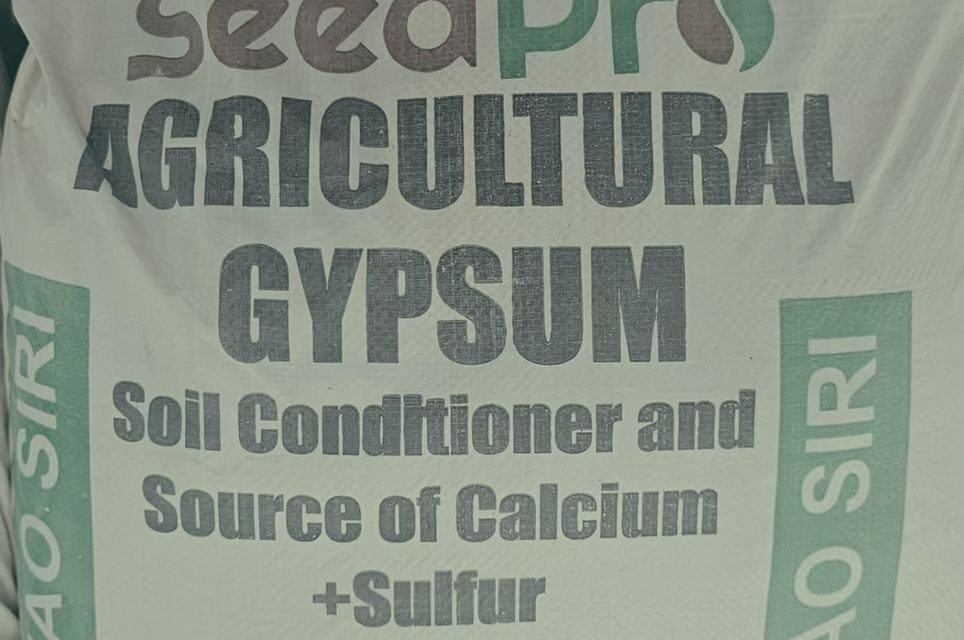
Agricultural gypsum, commonly called agri gypsum, is a natural mineral known scientifically as calcium sulfate dihydrate (CaSO₄·2H₂O). It is widely used as a soil conditioner and soil amendment in crop production.
Gypsum has been used in agriculture for centuries because it supplies two essential nutrients to crops:
• Calcium (Ca)
• Sulfur (S)
These nutrients help improve plant growth and soil health. Gypsum also improves soil structure, especially in compacted or sodic soils, allowing roots to grow deeper and water to penetrate more easily.
Farmers commonly apply agricultural gypsum to improve:
-
Soil drainage
-
Root development
-
Nutrient availability
-
Soil structure
-
Crop yields
Unlike lime, gypsum does not significantly change soil pH, which makes it useful for improving soil without making it too alkaline.
For a complete introduction to gypsum and how it improves soil, you can read our detailed guide here:
https://seedpro.co.ke/what-is-agricultural-gypsum-a-complete-guide-for-farmers/
What Is Construction Gypsum?
Construction gypsum refers to gypsum products used in the building and construction industry. It is commonly found in products such as:
-
Drywall or gypsum boards
-
Plaster of Paris
-
Wall plaster
-
Cement additives
In construction, gypsum is valued because it is fire resistant, lightweight, and easy to shape.
Manufacturers process construction gypsum by heating it to remove water molecules, turning it into calcined gypsum (plaster) which hardens when mixed with water.
While this makes gypsum excellent for building materials, it also means construction gypsum is not designed for agricultural use.
Agricultural Gypsum vs Construction Gypsum
Below is the key difference farmers should understand.
| Feature | Agricultural Gypsum | Construction Gypsum |
|---|---|---|
| Primary Use | Soil improvement and crop nutrition | Building materials |
| Form | Powder or granular for soil application | Boards, plaster or powder |
| Nutrient Value | Provides calcium and sulfur | Usually processed, may contain additives |
| Soil Benefits | Improves soil structure and drainage | Not designed for soil |
| Safety for Crops | Safe and beneficial | May contain impurities |
Agricultural gypsum is processed specifically to ensure it is safe for soil and plants, while construction gypsum may contain binders, additives, or impurities.
Because of this, farmers are always advised to use agricultural-grade gypsum only.
Why Farmers Should Use Agricultural Gypsum
Agricultural gypsum offers several benefits that construction gypsum cannot provide in farming systems.
1. Improves Soil Structure
Gypsum helps break up hard and compacted soils, allowing roots to grow deeper and improving aeration.
Better soil structure also improves water infiltration, which is especially important in areas with heavy clay soils.
2. Provides Essential Nutrients
Gypsum supplies calcium and sulfur, both essential nutrients for plant growth.
Calcium strengthens plant cell walls while sulfur plays an important role in protein formation and crop metabolism.
3. Reduces Soil Salinity
In saline or sodic soils, gypsum replaces sodium ions with calcium, helping restore soil balance and improve productivity.
This makes it extremely useful in reclaiming degraded soils.
4. Improves Water Infiltration
When soil becomes compacted, water tends to run off rather than soak in.
Gypsum helps improve soil aggregation, allowing water to penetrate the soil more efficiently, which reduces erosion and nutrient loss.
5. Boosts Crop Yields
Healthier soil leads to stronger root systems and better nutrient uptake, which ultimately translates into higher crop yields.
Many farmers use agricultural gypsum in crops such as:
-
Coffee
-
Maize
-
Beans
-
Vegetables
-
Pasture grass
Can Farmers Use Construction Gypsum on Farms?
This is one of the most common questions farmers ask online.
The short answer is no, it is not recommended.
Construction gypsum may contain additives designed for building purposes, such as:
-
Binding agents
-
Chemicals used in plaster
-
Industrial impurities
These substances may not be safe for crops or soil ecosystems.
Additionally, construction gypsum may not dissolve properly in soil, meaning farmers won’t get the soil improvement benefits they expect.
To avoid risks, farmers should always buy certified agricultural gypsum from agricultural suppliers.
Where to Buy Agricultural Gypsum in Kenya
Another common search farmers make online is:
“Where can I buy agricultural gypsum in Kenya?”
Agricultural gypsum is available from several agricultural suppliers, including:
-
Agricultural input shops
-
Soil amendment suppliers
-
Fertilizer distributors
-
Farm supply companies
Farmers should look for suppliers who provide high purity agricultural gypsum with minimal impurities for the best results.
If you are looking for quality agricultural gypsum for soil improvement, it is always advisable to consult trusted agricultural suppliers who understand soil health and crop nutrition.
How to Apply Agricultural Gypsum
Application rates depend on soil condition and crop type, but generally farmers apply gypsum by:
-
Broadcasting it across the soil surface
-
Mixing it lightly into the topsoil
-
Applying before planting or during soil preparation
For best results, farmers are encouraged to conduct a soil test before applying gypsum to determine the exact soil requirements.
Common Questions Farmers Ask About Agricultural Gypsum
Here are some of the most searched questions by farmers online.
Does gypsum change soil pH?
No. Gypsum improves soil structure but does not significantly raise or lower soil pH.
Is gypsum a fertilizer?
Gypsum is technically a soil amendment, although it provides nutrients such as calcium and sulfur.
How long does gypsum take to work in soil?
Depending on soil conditions and rainfall, gypsum may begin improving soil structure within a few weeks to a few months.
Which crops benefit most from gypsum?
Crops that benefit most include:
-
Coffee
-
Maize
-
Beans
-
Groundnuts
-
Vegetables
Final Thoughts
Understanding the difference between agricultural gypsum and construction gypsum is very important for farmers who want to improve soil health and crop productivity.
While both materials come from the same mineral source, they are processed for completely different uses.
Agricultural gypsum is specifically designed to improve soil structure, supply essential nutrients, and support better crop growth, while construction gypsum is made for building materials.
For farmers, the key takeaway is simple:
Always choose agricultural-grade gypsum for soil improvement.
Using the right soil amendments can make a big difference in soil health, water management, and crop yields.