 13 March 2026
Biostimulants in Agriculture: How They Improve Crop Growth, Root Development, and Farm Productivity
Biostimulants in Agriculture: A Complete Guide for Farmers
Agriculture is changing rapidly as farmers look for ways to increase productivity while protecting soil health and reducing crop stress. One of the most promising innovations helping farmers achieve these goals is the use of biostimulants in agriculture.
Biostimulants are natural or biologically derived substances that stimulate plant growth and improve crop performance. Instead of supplying nutrients like traditional fertilizers, they enhance the plant’s natural processes, allowing crops to absorb nutrients more efficiently and tolerate environmental stress.
Today, farmers around the world are increasingly integrating plant biostimulants into their crop management programs to achieve stronger growth, better yields, and more resilient crops.
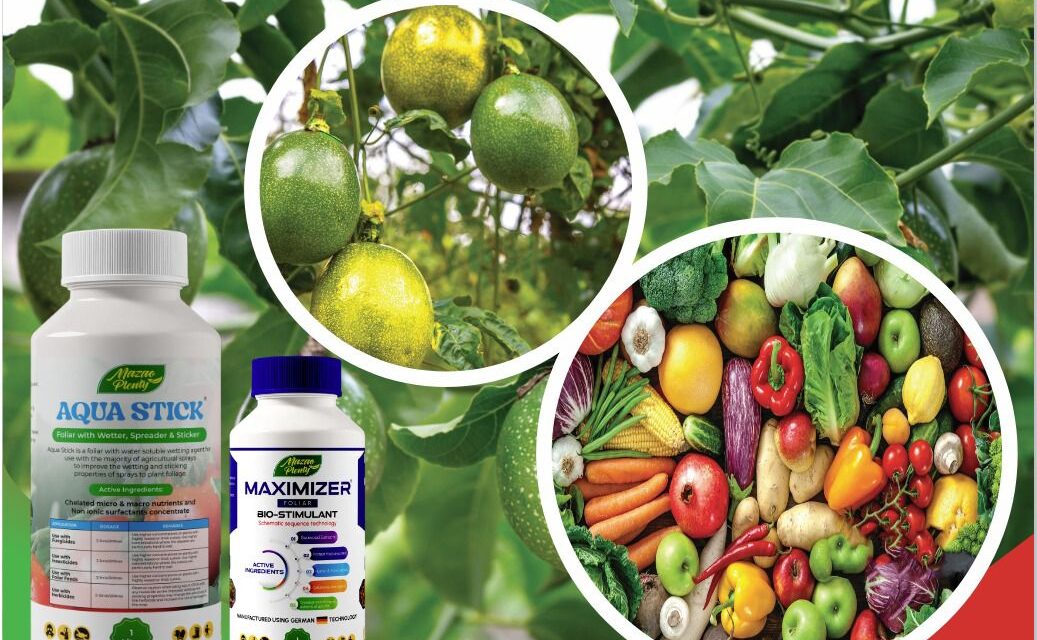
At SeedPro, solutions like Maximizer Bio-Stimulant are designed to support farmers by improving plant vigor, stimulating root development, and helping crops recover from stress.
What Are Biostimulants in Agriculture?
Biostimulants are agricultural inputs that enhance plant growth by stimulating natural biological processes in crops and soil.
Unlike fertilizers that provide nutrients directly, biostimulants help plants use available nutrients more efficiently and improve overall plant metabolism.
They often contain natural compounds such as:
• Seaweed extracts
• Amino acids
• Humic and fulvic acids
• Protein hydrolysates
• Beneficial microorganisms
These ingredients help activate plant physiological processes such as nutrient assimilation, photosynthesis, and root development.
The result is stronger plants, improved crop resilience, and better productivity.
Why Biostimulants Are Becoming Essential in Modern Farming
Farmers today face many challenges including unpredictable weather, declining soil fertility, and increasing production costs.
Biostimulants help address these challenges by improving plant efficiency and resilience.
Studies show that biostimulants can significantly improve nutrient use efficiency, plant growth, and crop yield when integrated into modern farming systems.
This makes them an important tool for sustainable agriculture.
How Biostimulants Improve Crop Performance
1. Stronger Root Development
Roots are the foundation of every healthy crop.
Biostimulants stimulate root growth and root branching, allowing plants to absorb more water and nutrients from the soil.
Stronger root systems also help crops establish quickly during early growth stages.
This is particularly important for crops such as maize, vegetables, and potatoes.
2. Improved Nutrient Uptake
Even when nutrients are present in the soil, plants cannot benefit if they cannot absorb them efficiently.
Biostimulants enhance nutrient absorption by improving root activity and stimulating plant metabolism.
This helps crops utilize fertilizers more efficiently and reduces nutrient losses in the soil.
3. Increased Tolerance to Environmental Stress
Climate stress is becoming a major challenge for farmers.
Crops often suffer from:
• Drought
• Heat stress
• Salinity
• Transplant shock
• Nutrient imbalance
Biostimulants strengthen plant defense systems and help crops recover faster from stress conditions.
This improves crop survival and productivity even in challenging environments.
4. Improved Photosynthesis and Plant Energy
Photosynthesis is the process that drives plant growth.
Biostimulants stimulate plant metabolism and enhance photosynthesis, helping crops convert sunlight into energy more efficiently.
This increased efficiency results in healthier plants and improved crop yields.
5. Higher Crop Yields and Better Produce Quality
When plants grow stronger and use nutrients more efficiently, the final harvest improves.
Biostimulants contribute to:
• Higher yields
• Better fruit size
• Improved color and quality
• More uniform crop development
These improvements help farmers increase farm productivity and profitability.
Biostimulants and Sustainable Agriculture
Modern agriculture is moving toward more sustainable farming practices.
Biostimulants support this transition by improving crop efficiency and reducing the need for excessive chemical inputs.
Research shows that biostimulants can help farmers produce more food while using fewer resources, making them an important tool for environmentally responsible agriculture.
They also contribute to:
• Better soil microbial activity
• Improved soil structure
• Increased nutrient cycling
All these factors support long-term soil health and productivity.
Maximizer Bio-Stimulant: Supporting Stronger Crops
Maximizer Bio-Stimulant is designed to enhance plant performance and crop resilience.
It works by stimulating plant physiological processes that improve growth, root development, and stress tolerance.
Farmers using Maximizer often observe:
• Faster crop establishment
• Stronger root systems
• Improved plant vigor
• Better tolerance to stress conditions
Maximizer can be used in various crops including:
• Maize
• Vegetables
• Potatoes
• Coffee
• Fruits and horticultural crops
When incorporated into a balanced crop nutrition program, it helps farmers achieve healthier crops and better yields.
Learn more about our crop nutrition solutions here:
Internal link:
https://seedpro.co.ke
When Should Farmers Use Biostimulants?
Biostimulants are most effective when applied during key crop growth stages.
Common application periods include:
• Early crop establishment
• Vegetative growth
• Before flowering
• During stress conditions such as drought or heat
They are often applied as foliar sprays or through irrigation systems depending on the crop and farming system.
Using biostimulants together with proper fertilization programs helps maximize crop performance.
The Future of Biostimulants in Agriculture
The global agricultural industry is rapidly embracing biostimulant technologies.
As farmers face increasing pressure to produce more food with fewer resources, biostimulants provide a powerful solution for improving plant efficiency and crop resilience.
By supporting plant health, nutrient efficiency, and stress tolerance, biostimulants are helping shape the future of sustainable farming.
Farmers who adopt these technologies early often gain a competitive advantage through healthier crops and improved yields.
Conclusion
Biostimulants are transforming modern agriculture by helping crops grow stronger, absorb nutrients efficiently, and withstand environmental stress.
From improving root development to enhancing plant metabolism, these solutions provide farmers with powerful tools to improve productivity.
Products like Maximizer Bio-Stimulant help farmers support crop health and achieve better harvests across a wide range of crops.
As agriculture continues to evolve, biostimulants will remain an essential part of smart and sustainable farming systems.