 14 September 2026
Cabbage Farming in Kenya: Complete Guide to Planting, Fertilizer, Top Dressing and Growing Big Firm Heads
Cabbage Farming in Kenya: What Does It Take to Grow Big, Firm Heads?
Cabbage farming can be a good business for Kenyan farmers.
But there is one thing every farmer should understand.
You don’t start growing a big cabbage head when the head starts forming.
You start much earlier.
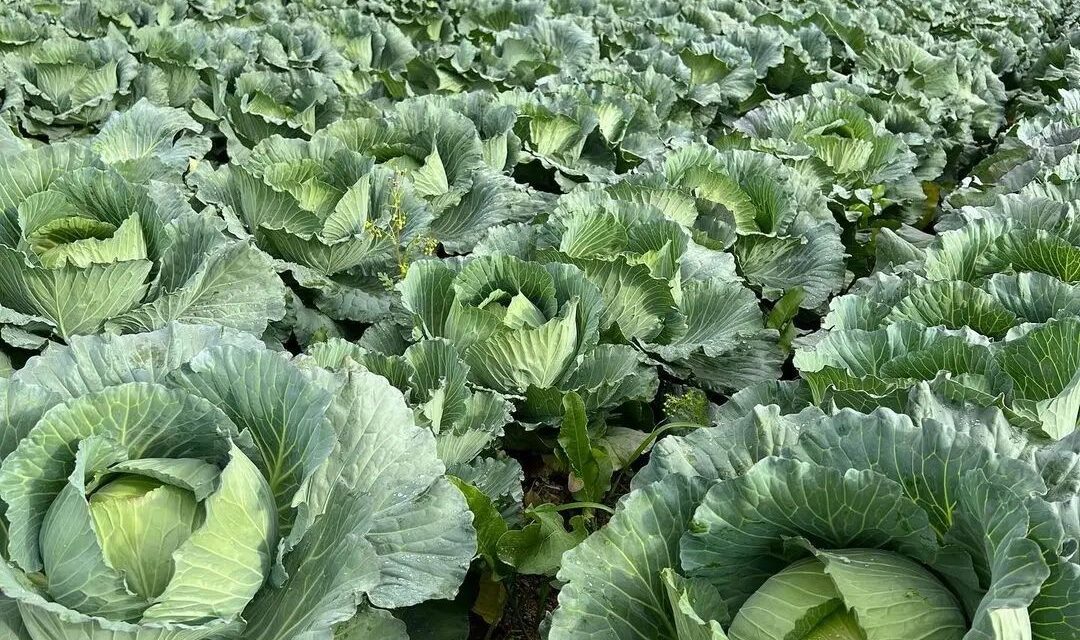
A heavy cabbage head comes from a healthy plant that has developed strong roots, plenty of healthy leaves and enough energy to form and fill the head.
That means what you do during planting and the first few weeks can have a big effect on what you harvest later.
So, if you are asking:
What is the best fertilizer for cabbage?
When should I top dress cabbage?
What spacing should I use?
How can I grow bigger cabbage heads?
Why are my cabbage heads small or loose?
How do I control cabbage pests?
You are in the right place.
Let’s take it step by step.
1. Start With the Right Cabbage Variety
Before talking about fertilizer, let’s talk about seed.
Not every cabbage variety behaves the same way.
Some varieties produce large heads.
Others produce medium sized heads.
Some mature quickly, while others take longer.
Your choice should depend on both your farm and your market.
Ask yourself:
Who will buy my cabbage?
Are you selling to brokers?
A local market?
A supermarket?
A school?
A hotel?
Or directly to consumers?
This matters because your buyer may have a specific preference for head size, shape and weight.
KALRO guidance also shows that cabbage spacing and plant population can change depending on the head size and market being targeted.
So don’t simply copy the farmer next door.
Choose a variety that fits your market.
2. Your Cabbage Farm Starts in the Nursery
Many cabbage problems begin before transplanting.
A weak seedling rarely becomes a strong plant by magic.
Prepare a nursery with fertile, well drained soil.
Avoid areas where water stands after rain or irrigation.
Plant the seed properly and avoid overcrowding.
The young seedlings need enough moisture, but don’t keep the nursery permanently wet.
Keep checking the nursery for problems such as:
• Poor germination
• Damping off
• Aphids
• Caterpillars
• Weak seedlings
• Yellowing
Your goal is simple.
Transplant healthy and vigorous seedlings.
3. When Should You Transplant Cabbage?
Cabbage seedlings should be transplanted once they are strong enough to handle the field.
In many production systems, seedlings are transplanted when they have developed several true leaves, commonly around four to six leaves depending on the variety and growing conditions.
Don’t transplant weak, stressed or diseased seedlings simply because they have reached a certain age.
A healthy seedling gives the crop a better start.
Where possible, transplant during the cooler part of the day.
Water immediately after transplanting and keep the soil adequately moist as the plants establish.
This early period is important because the plant is moving from a protected nursery environment into the field.
4. Cabbage Spacing Matters More Than Many Farmers Think
How far apart should cabbage be planted?
There is no single spacing that works for every farmer.
A commonly used commercial spacing is around 60 cm between rows and 45 to 60 cm between plants.
But your variety and target market should guide the final spacing.
If you plant too close, the plants compete more for light, water and nutrients.
If you plant too far apart, you may get larger heads but fewer plants per acre.
So before deciding your spacing, ask:
What head size does my buyer want?
That question can save you from making an expensive mistake.
5. What Fertilizer Should You Use When Planting Cabbage?
This is where the cabbage journey really begins.
Cabbage is a heavy feeding vegetable.
It needs good nutrition to establish roots and develop a strong plant.
The best fertilizer programme should start with your soil.
If possible, test the soil before planting.
A soil test helps you understand what nutrients are available and what your soil may be lacking.
For farmers using SeedPro products, Siri Planta NPK 10:24:04 + CaO + MgO + S can form part of the planting nutrition programme.
Siri Planta provides nitrogen, phosphorus and potassium together with calcium, magnesium and sulphur.
Its higher phosphorus content makes it particularly relevant during establishment, when the crop is developing its root system.
Remember that fertilizer should be applied correctly.
Don’t place fertilizer directly against the seedling roots.
Follow the recommended application method and incorporate it properly into the soil.
6. Why Does Cabbage Need Phosphorus?
When you look at a young cabbage plant, you mainly see leaves.
But underground, another important process is happening.
The roots are developing.
Phosphorus plays an important role in root development and energy transfer within plants.
That is why the planting stage should not be ignored.
A cabbage plant with a good root system has a better foundation for taking up water and nutrients as it grows.
This is one reason why farmers should not think only about nitrogen.
Cabbage needs a balanced supply of nutrients.
Nitrogen helps support vegetative growth.
Phosphorus is important for root development and energy processes.
Potassium plays important roles in plant growth and crop quality.
Calcium, magnesium and sulphur also have important functions in plant nutrition.
The aim is not to give the plant as much fertilizer as possible.
The aim is to give it the right nutrition at the right stage.
7. Remember This: Big Cabbage Heads Start With Big, Healthy Plants
This is one of the most important things to understand about cabbage farming.
Before the cabbage forms a head, it spends time building leaves.
Those leaves are the plant’s food making factory.
They capture sunlight and help the plant produce the energy it needs for growth and later head formation.
So don’t wait until you see the head starting to form before you start taking nutrition seriously.
Build the plant first.
Then let the plant build the head.
8. Sure N for Cabbage Vegetative Growth
This is where nitrogen becomes very important.
Nitrogen supports chlorophyll formation and vigorous vegetative growth.
When cabbage does not get enough nitrogen, the plants may become pale and growth may slow down.
SeedPro Sure Grow High Nitrogen NPK 44:8:7 is formulated with nitrogen, phosphorus, potassium, magnesium and micronutrients to support vegetative growth.
For cabbage farmers, Sure N can form part of a foliar nutrition programme when the crop requires additional nitrogen support.
The aim is to support:
• Healthy green leaves
• Strong vegetative growth
• Good canopy development
• Vigorous crop growth
But there is something important to remember.
More nitrogen does not always mean bigger cabbage.
Too much nitrogen can create an imbalance and may affect head quality.
So don’t keep adding nitrogen simply because you want bigger heads.
Feed according to the crop’s needs.
9. What About Maximizer?
This is another question farmers often ask.
First, understand the difference.
A fertilizer supplies nutrients.
A biostimulant works differently.
Maximizer is a biostimulant that can form part of a cabbage crop management programme.
It is used to support plant vigor, nutrient utilization and the plant’s ability to perform under different growing conditions.
This can be useful when crops experience stress.
For example:
• Transplanting stress
• Heat
• Heavy rain
• Dry conditions
• Sudden weather changes
• General crop stress
But Maximizer should not be viewed as a replacement for fertilizer.
If the crop is short of nitrogen, you still need to address the nitrogen requirement.
Think of the programme this way:
Siri Planta helps build the nutritional foundation.
Sure N supports vegetative growth when additional nitrogen is needed.
Maximizer complements the programme by supporting plant performance and vigor.
Each product has a role.
10. A Simple SeedPro Nutrition Programme for Cabbage
Instead of spraying products randomly, think about the crop’s growth stages.
At planting
Focus on establishment and root development.
Siri Planta NPK 10:24:04 + CaO + MgO + S can form part of the planting nutrition programme where it fits the soil and crop requirements.
During early growth
The cabbage starts producing more leaves.
This is when nitrogen becomes increasingly important.
Sure N can be used where the crop requires additional nitrogen support, following the recommended product rate.
During active vegetative growth
Keep watching the crop.
Look at:
• Leaf colour
• Leaf size
• Growth rate
• Soil moisture
• Pest pressure
Maximizer can complement the crop programme during this stage where appropriate.
During head formation
The crop now starts putting more effort into forming the cabbage head.
Maintain adequate moisture and balanced nutrition.
Don’t suddenly apply excessive nitrogen simply because you want a bigger head.
11. Don’t Forget Water
You can have good seed.
You can have good fertilizer.
You can have good land.
But without proper water management, cabbage performance can still suffer.
Cabbage needs adequate and consistent moisture, especially during active growth and head formation.
Water stress can reduce growth and affect head development.
At the same time, too much water can create problems around the roots.
If you have irrigation, drip irrigation can help deliver water directly to the root zone.
The goal is simple:
Moist soil, not waterlogged soil.
12. Keep Weeds Under Control
A young cabbage plant doesn’t like competing with weeds.
Weeds take water.
They take nutrients.
They compete for sunlight.
They can also make it harder to scout for pests.
Keep the field clean, especially when the cabbage plants are still small.
When weeding, be careful not to damage the cabbage roots.
Once the canopy becomes large, the cabbage plants will naturally shade much of the soil surface.
13. Common Cabbage Pests in Kenya
If you grow cabbage, you need to become good at scouting.
Don’t wait until the entire farm is full of holes.
Walk through the crop regularly.
Check the leaves carefully.
Look underneath the leaves too.
Common cabbage pests include:
Diamondback moth
The caterpillars feed on cabbage leaves.
Small infestations may look harmless at first, but serious damage can reduce the leaf area available to the plant.
Aphids
Aphids suck sap from plants and can cause curling, distortion and weak growth.
Caterpillars
Different caterpillars can feed on cabbage leaves.
Cutworms
Cutworms can attack young cabbage plants close to the soil surface.
The earlier you notice a pest problem, the easier it is to make an informed management decision.
14. Cabbage Diseases to Watch
Cabbage can also suffer from diseases.
Some problems farmers may encounter include:
• Black rot
• Clubroot
• Downy mildew
• Other fungal and bacterial diseases
Good disease management starts before you see symptoms.
Use healthy planting material.
Avoid continuous cabbage or other brassica production on the same piece of land.
Maintain good drainage.
Remove badly affected plant material where appropriate.
And if you see something unusual, don’t immediately assume it is a fertilizer deficiency.
Yellowing, for example, can have several causes.
It could be nutrition.
It could be water.
It could be root damage.
It could be disease.
Diagnose first. Treat second.
15. Why Are My Cabbage Heads Small?
This is one of the most common questions from cabbage farmers.
If your cabbage plants are healthy but the heads remain small, check the whole crop management programme.
1. Variety
Some varieties naturally produce smaller heads.
2. Spacing
Very close spacing can increase competition.
3. Nutrition
The crop needs adequate nutrition throughout its growth.
4. Nitrogen
Too little nitrogen can restrict vegetative growth.
Too much can also create an imbalance.
5. Water
Irregular watering can affect growth and head formation.
6. Pests
If pests destroy the leaves, the plant loses part of its food making capacity.
7. Disease
Diseased roots or leaves can seriously affect crop growth.
Don’t automatically respond by adding more fertilizer.
Find the actual problem first.
16. How Can You Grow Big, Firm Cabbage Heads?
If your market rewards heavy, firm cabbage heads, think about the entire crop.
Not just the final two weeks.
You need:
Healthy seedlings
↓
Strong roots
↓
Healthy leaves
↓
Good canopy
↓
Effective photosynthesis
↓
Proper head formation
↓
Firm, marketable cabbage
This is why the first weeks of cabbage production matter so much.
A strong head needs a strong plant behind it.
17. When Should You Harvest Cabbage?
Don’t harvest simply because someone tells you cabbage takes a certain number of days.
Different varieties mature at different times.
Weather and farm management also affect maturity.
Instead, look at the actual head.
A mature cabbage should have developed a firm head that matches the characteristics expected for that variety and your market.
Handle harvested cabbage carefully.
Bruised or damaged produce can lose value quickly.
And remember:
The biggest cabbage is not always the most profitable cabbage.
If your buyer wants medium sized, uniform heads, producing extremely large heads may not give you the best return.
Your market should guide your production.
18. How Many Cabbages Can You Plant on One Acre?
This depends on your spacing.
For example, 60 cm × 45 cm will give you a different plant population from 60 cm × 60 cm.
Your variety also matters.
KALRO production guidance gives different commercial plant populations depending on the market and desired head size.
So don’t ask only:
“How many cabbages can I fit in one acre?”
Ask:
“How many cabbages can I grow while still producing the head size my market wants?”
That is a much better farming question.
19. Common Mistakes Cabbage Farmers Should Avoid
Planting without knowing your market
Before planting a large acreage, know who you expect to sell to.
Using poor quality seed
Your crop starts with the seed.
Ignoring soil testing
You cannot always identify nutrient problems simply by looking at the soil.
Overusing nitrogen
More fertilizer does not automatically mean more profit.
Waiting until head formation to feed the crop
The head depends on the plant that came before it.
Poor water management
Cabbage needs consistent moisture but does not perform well in waterlogged conditions.
Ignoring pests
Scout regularly.
Using the same spacing for every variety
Spacing should consider variety, head size and market.
Mixing products without understanding their purpose
Know what each product is intended to do before adding it to your programme.
20. Cabbage Farming Checklist
Before planting:
✓ Choose the right variety
✓ Identify your market
✓ Test your soil where possible
✓ Prepare the land
✓ Plan your water source
✓ Establish a healthy nursery
During transplanting:
✓ Use strong seedlings
✓ Maintain the recommended spacing
✓ Apply suitable planting nutrition
✓ Water after transplanting
During vegetative growth:
✓ Monitor leaf colour
✓ Monitor growth
✓ Control weeds
✓ Scout for pests
✓ Maintain soil moisture
✓ Use Sure N where additional nitrogen support is required
✓ Use Maximizer as part of your crop management programme
During head formation:
✓ Maintain consistent moisture
✓ Maintain balanced nutrition
✓ Avoid excessive nitrogen
✓ Continue pest scouting
✓ Watch for disease symptoms
At harvest:
✓ Harvest mature heads
✓ Handle cabbage carefully
✓ Sort according to your market
✓ Record your yield and sales
Final Word: Your Cabbage Head Is Built From Day One
If there is one thing you should take from this article, let it be this:
Don’t wait for the cabbage head to start forming before you start thinking about yield.
The foundation is built much earlier.
Start with good seed.
Raise healthy seedlings.
Plant at the right spacing.
Give the crop a good nutritional foundation.
Support vegetative growth.
Manage water.
Scout for pests.
Watch for disease.
And keep nutrition balanced throughout the crop.
For farmers using SeedPro products, Siri Planta NPK 10:24:04 + CaO + MgO + S can form part of the planting nutrition programme.
Sure N NPK 44:8:7 can support vegetative growth when additional nitrogen is required.
Maximizer can complement the programme by supporting plant vigor and nutrient utilization.
But remember, no product can replace good farming practices.
Good cabbage is the result of many small decisions made correctly.
From the nursery…
To transplanting…
To the first new leaves…
To the developing head…
And finally to the buyer.
**Build the plant first.
Then let the plant build the cabbage.**
SeedPro Africa Ltd
Siri Ya Mazao.