 01 November 2026
Best Fertilizer for Sukuma Wiki in Kenya: How to Grow Healthy, Green and Bigger Leaves
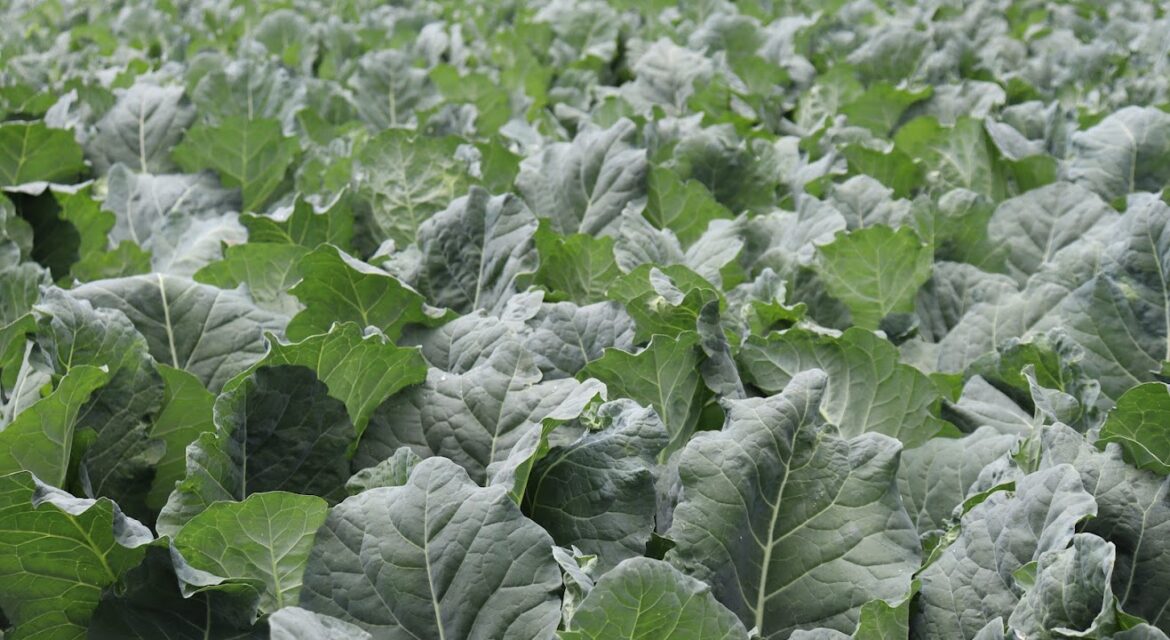
Sukuma wiki is one of the most popular vegetables grown and consumed in Kenya. From small backyard gardens to commercial vegetable farms, farmers depend on this crop for both household food and income.
Its demand makes it an attractive crop for farmers looking for regular harvests. However, producing high-quality sukuma wiki requires more than good seeds and favourable weather. The soil must provide sufficient nutrients to support continuous leaf development, healthy roots and strong plant growth.
One common challenge among sukuma wiki farmers is producing plants with small leaves, slow growth, pale green foliage and poor regrowth after harvesting.
In many cases, poor crop nutrition, inadequate soil fertility, insufficient water or unsuitable growing conditions may contribute to these problems.
So, what is the best fertilizer for sukuma wiki in Kenya? Which nutrients does the crop need, and when should farmers apply them?
This guide explains how to select the right fertilizer for sukuma wiki and develop a practical crop nutrition programme for better vegetable production.
1. What Is the Best Fertilizer for Sukuma Wiki in Kenya?
The best fertilizer for sukuma wiki depends on the soil condition, crop growth stage and nutrient requirements.
Sukuma wiki is a leafy vegetable, meaning that nitrogen is particularly important for supporting vegetative growth and leaf development. However, focusing on nitrogen alone is not enough.
A good crop nutrition programme should also consider phosphorus, potassium, calcium, magnesium, sulphur and essential micronutrients.
Farmers can consider a combination of well-decomposed organic manure and appropriately formulated organo-mineral or mineral fertilizers.
For farmers looking for organo-mineral fertilizer solutions, SeedPro offers different formulations that can form part of a sukuma wiki nutrition programme.
The important thing is to select a formulation that matches the crop’s needs rather than applying fertilizer blindly.
2. Understanding the Nutrients Sukuma Wiki Needs
To achieve healthy leaf development, farmers need to understand the role of different plant nutrients.
Nitrogen (N): Supporting Leaf Growth
Nitrogen is one of the most important nutrients for sukuma wiki production.
It contributes to chlorophyll formation, which gives leaves their green colour. It also plays a major role in vegetative growth and the development of new leaves.
When nitrogen is insufficient, plants may develop pale or yellowing older leaves, slow growth and smaller foliage.
Adequate nitrogen nutrition helps support healthy leaf development, particularly during active vegetative growth.
However, excessive nitrogen application can cause problems, including overly soft growth and nutrient imbalances. Farmers should apply nitrogen according to crop requirements and soil conditions.
Phosphorus (P): Supporting Root Development
Phosphorus is important during the early stages of crop establishment.
It supports root development and energy transfer within the plant. A healthy root system helps sukuma wiki plants establish themselves and access water and nutrients from the soil.
This makes phosphorus an important consideration when preparing land and transplanting seedlings.
Potassium (K): Supporting Plant Health
Potassium regulates several important plant processes, including water movement and enzyme activity.
It also contributes to strong plant development and the efficient movement of nutrients within the plant.
Sukuma wiki needs balanced nutrition, so farmers should not overlook potassium while focusing on nitrogen.
Calcium (Ca): Supporting Healthy Plant Tissues
Calcium contributes to cell wall development and the formation of healthy plant tissues.
Inadequate calcium supply can affect the development of young leaves and growing points.
Magnesium (Mg): Supporting Chlorophyll Production
Magnesium is an essential component of chlorophyll, which plants use to capture light energy during photosynthesis.
A magnesium deficiency may cause yellowing between the veins of older leaves.
Sulphur (S) and Micronutrients
Sulphur contributes to protein formation and plant metabolism. Micronutrients such as zinc, boron, iron and manganese are also needed in small quantities for normal crop development.
The objective is to provide balanced nutrition rather than concentrating on one nutrient alone.
3. Fertilizer Application at Different Stages of Sukuma Wiki Growth
One of the mistakes farmers make is applying the same fertilizer throughout the entire growing period without considering changes in crop nutrient requirements.
A better approach is to manage crop nutrition according to the different growth stages.
Stage 1: Land Preparation and Planting
Before transplanting sukuma wiki seedlings, prepare the land properly.
Break large soil clods, remove persistent weeds and incorporate well-decomposed organic manure where appropriate.
A planting fertilizer containing phosphorus and other essential nutrients can form part of the basal fertilizer programme.
SeedPro Siri Planta NPK 10:24:4, which also contains calcium, magnesium and sulphur, is one formulation farmers can consider for planting nutrition.
Always follow the recommended application rate and ensure granular fertilizer is properly mixed with soil to avoid direct contact with young roots.
Stage 2: Early Establishment
After transplanting, the crop needs to establish its roots and develop new leaves.
During this stage, ensure that seedlings receive adequate water and are not competing with weeds for nutrients.
Avoid applying excessive fertilizer to newly transplanted seedlings. Allow plants to establish and assess their growth before making additional fertilizer applications.
Stage 3: Vegetative Growth and Leaf Development
This is one of the most important stages in sukuma wiki production.
As the crop develops more leaves, its demand for nutrients increases.
Nitrogen becomes particularly important because it supports vegetative growth and chlorophyll formation.
SeedPro Sure Grow High Nitrogen, formulated with NPK 44:8:7, magnesium oxide and micronutrients, can form part of the crop nutrition programme where additional nitrogen is required.
The formulation is designed to support vegetative crop nutrition.
Farmers should use it according to the product label and agronomic recommendations, taking the crop’s existing nutrient supply into consideration.
Stage 4: Continuous Leaf Production and Harvesting
Sukuma wiki is a crop that can provide repeated harvests when properly managed.
After harvesting mature outer leaves, the plant continues producing new foliage from its growing point.
For continued production, farmers should monitor crop performance and maintain an appropriate supply of nutrients.
A balanced nutrition programme is important because the plant continues using nutrients as it develops new leaves.
Do not automatically apply fertilizer after every harvest. Assess crop growth, soil fertility and previous fertilizer applications before deciding whether additional nutrients are needed.
4. Why Your Sukuma Wiki Leaves May Be Small or Yellow
Even when farmers apply fertilizer, they may still experience poor crop performance.
Here are some possible reasons.
1. Nitrogen Deficiency
Insufficient nitrogen can cause slow growth and pale or yellowing older leaves.
A soil test can help establish whether nitrogen deficiency is responsible.
2. Poor Soil Fertility
Continuous cultivation without replacing nutrients can gradually reduce soil fertility.
Adding appropriate organic matter and using balanced fertilizers can help address nutrient management challenges.
3. Inadequate Water Supply
Sukuma wiki needs sufficient and consistent moisture for healthy leaf development.
Water stress can reduce leaf expansion and slow new growth.
Farmers should maintain appropriate soil moisture without waterlogging the roots.
4. Poor Root Development
Damaged roots, compacted soil and poorly drained fields can limit nutrient and water uptake.
Prepare the land properly and avoid planting in areas where water accumulates around the roots.
5. Pest and Disease Attacks
Aphids, caterpillars and diamondback moths can damage sukuma wiki leaves and reduce their market quality.
Inspect your crop regularly and use appropriate integrated pest management practices.
6. Nutrient Imbalances
Applying too much of one nutrient can interfere with the availability or uptake of other nutrients.
This is another reason why soil testing and balanced fertilizer application are important.
5. How to Improve Soil Fertility for Better Sukuma Wiki Production
Good sukuma wiki production starts with healthy soil.
Farmers should not depend entirely on fertilizer to maintain soil productivity.
Consider the following practices:
- Incorporate well-decomposed manure or compost where appropriate.
- Conduct soil testing to understand nutrient levels and soil pH.
- Avoid excessive fertilizer application.
- Practise crop rotation where possible.
- Control soil erosion and avoid unnecessary soil disturbance.
- Maintain appropriate soil moisture.
- Remove weeds that compete with crops for nutrients and water.
Organo-mineral fertilizers can complement these practices by combining organic materials with mineral nutrient sources.
However, the contribution to soil organic matter depends on the actual organic content and quantity applied. Maintaining soil health requires a broader soil management programme.
6. Why Consider Organo-Mineral Fertilizers for Sukuma Wiki?
Organo-mineral fertilizers combine organic materials and mineral nutrient sources in a single formulation.
This offers farmers an option for incorporating both components into their crop nutrition programmes.
Depending on their formulation, these fertilizers can supply important nutrients needed for crop establishment, vegetative development and overall plant growth.
For sukuma wiki farmers, the choice of formulation should depend on the crop’s growth stage and the condition of the soil.
At SeedPro Kenya, we manufacture organo-mineral fertilizers designed to support different crop nutrition requirements.
Our formulations provide farmers with different nutrient combinations to consider when planning their fertilizer programmes.
7. SeedPro Fertilizers for Sukuma Wiki Farming
Choosing the right fertilizer is an important part of successful vegetable production.
SeedPro offers several organo-mineral fertilizer formulations that can be considered in a sukuma wiki nutrition programme.
Siri Planta NPK 10:24:4
Siri Planta contains nitrogen, phosphorus, potassium, calcium, magnesium and sulphur. It can be considered for basal crop nutrition during planting, depending on soil requirements.
Sure Grow High Nitrogen NPK 44:8:7
Nitrogen is particularly important for leafy vegetables. Sure Grow High Nitrogen can form part of a vegetative nutrition programme when the crop requires additional nitrogen.
Standard 20:20:20
This balanced NPK formulation supplies nitrogen, phosphorus and potassium. It can be considered where a balanced supply of these nutrients is required.
Maximizer
Maximizer contains humic and fulvic substances, amino acids and plant growth regulators. It can complement a crop management programme, alongside appropriate nutrition and good crop husbandry.
The right product and application programme should be selected according to the crop’s needs, soil conditions and product label recommendations.
For assistance in selecting a suitable SeedPro fertilizer for your sukuma wiki farm, speak to our agronomy team.
8. Other Important Practices for Bigger and Healthier Sukuma Wiki Leaves
Fertilizer alone cannot guarantee good harvests. Farmers should also pay attention to other aspects of crop management.
Use quality seeds: Choose suitable varieties from reliable seed suppliers.
Maintain proper spacing: Follow the recommended spacing for your variety to reduce competition and allow sufficient light and air circulation.
Water consistently: Avoid allowing the crop to experience prolonged moisture stress.
Weed regularly: Weeds compete with sukuma wiki for nutrients, water and sunlight.
Monitor pests and diseases: Inspect the leaves regularly and take appropriate action when problems are identified.
Harvest correctly: Remove mature outer leaves while protecting the central growing point. This allows the plant to continue producing new foliage.
With proper crop management, sukuma wiki can provide repeated harvests over an extended production period.
Frequently Asked Questions About Fertilizers for Sukuma Wiki
1. Which fertilizer is best for sukuma wiki in Kenya?
The best fertilizer depends on soil fertility and crop growth stage. A balanced crop nutrition programme should consider nitrogen, phosphorus, potassium and other essential nutrients. SeedPro offers organo-mineral formulations such as Siri Planta, Sure Grow High Nitrogen and Standard 20:20:20 for different crop nutrition requirements.
2. Is nitrogen fertilizer good for sukuma wiki?
Yes. Nitrogen supports chlorophyll formation and vegetative growth, making it particularly important for leafy vegetables such as sukuma wiki. However, excessive nitrogen can cause nutrient imbalances and poor crop quality.
3. How can I make my sukuma wiki leaves bigger?
Provide balanced nutrition, maintain adequate soil moisture, use suitable varieties, control weeds and manage pests and diseases. Nitrogen is important for leaf development, but the crop also needs other essential nutrients.
4. Why is my sukuma wiki turning yellow?
Yellowing can result from nitrogen or other nutrient deficiencies, waterlogging, moisture stress, root damage, pests or diseases. Identify the underlying cause before applying fertilizer.
5. Can I use organo-mineral fertilizer on sukuma wiki?
Yes. Organo-mineral fertilizers can form part of a sukuma wiki crop nutrition programme. Select a suitable formulation according to soil conditions and crop requirements.
6. Can sukuma wiki be harvested more than once?
Yes. Sukuma wiki is a repeated-harvest crop. Farmers can harvest mature outer leaves while leaving the central growing point and sufficient healthy foliage intact.
Conclusion: Choose the Right Fertilizer for Better Sukuma Wiki Production
Growing healthy sukuma wiki requires more than simply applying fertilizer. Farmers need to understand their soil, provide balanced nutrition, maintain adequate moisture and manage the crop throughout its growing period.
Nitrogen plays an important role in leaf development, but phosphorus, potassium, calcium, magnesium, sulphur and micronutrients should not be overlooked.
For farmers looking for organo-mineral fertilizer solutions, SeedPro provides different formulations to support crop nutrition at different growth stages.
Make informed fertilizer decisions, take care of your soil and give your sukuma wiki the nutrition it needs.
SeedPro Kenya. Ni Siri Ya Mazao. We Grow More With Less.
For fertilizer information and agronomic assistance, contact SeedPro Kenya on +254 119 098097.