 11 June 2026
Avocado Farming in Kenya: How to Achieve Higher Yields and Better Fruit Quality
Avocado farming in Kenya has become one of the fastest-growing agricultural enterprises, earning the nickname “The New Green Gold.” With increasing demand from both local and international markets, especially for Hass avocados, many farmers are turning to avocado production as a reliable source of income.
However, successful avocado farming goes beyond planting trees. High yields, quality fruits, and profitable harvests depend on proper orchard management, adequate nutrition, irrigation, pest control, and timely crop protection practices.
In this guide, we explore the best practices for avocado farming in Kenya and how proper nutrition can help farmers maximize returns from their orchards.
Why Avocado Farming is Growing in Kenya
Kenya is among Africa’s leading avocado exporters, supplying fresh fruits to Europe, the Middle East, and Asia. The country’s favorable climate, fertile soils, and growing export opportunities have made avocado farming an attractive investment for both small-scale and commercial farmers.
Some of the main reasons farmers are investing in avocados include:
- Strong export demand
- High market prices
- Long productive lifespan of trees
- Growing local consumption
- Good profitability per acre
Among the most popular varieties grown in Kenya are Hass, Fuerte, Jumbo, and Pinkerton, with Hass remaining the preferred export variety.
Best Conditions for Avocado Farming in Kenya
For optimum production, avocado trees require:
Well-Drained Soils
Avocados thrive in deep, fertile soils with good drainage. Waterlogged conditions can lead to root diseases and poor growth.
Adequate Rainfall and Irrigation
Although avocados can tolerate moderate drought, consistent moisture is essential during flowering and fruit development. Supplemental irrigation is highly recommended during dry seasons.
Proper Spacing
Correct spacing improves sunlight penetration, airflow, and nutrient utilization while reducing disease pressure within the orchard.
The Importance of Nutrition in Avocado Production
One of the most overlooked aspects of avocado farming is crop nutrition.
Many farmers focus on flowering but neglect nutrient requirements during fruit development. This often results in:
- Small fruit sizes
- Premature fruit drop
- Poor fruit quality
- Reduced yields
- Lower market value
To produce premium export-quality fruits, avocado trees require balanced nutrition throughout the growing season.
Why Potassium is Critical for Avocado Trees
Potassium is one of the most important nutrients during fruit formation and maturation.
It plays a vital role in:
- Fruit sizing
- Sugar movement within the plant
- Fruit filling
- Quality improvement
- Stress tolerance
- Enhanced marketability
Deficiency of potassium often results in poor fruit development and reduced yields.
This is why many successful avocado growers incorporate high-potassium foliar fertilizers during fruit development stages.
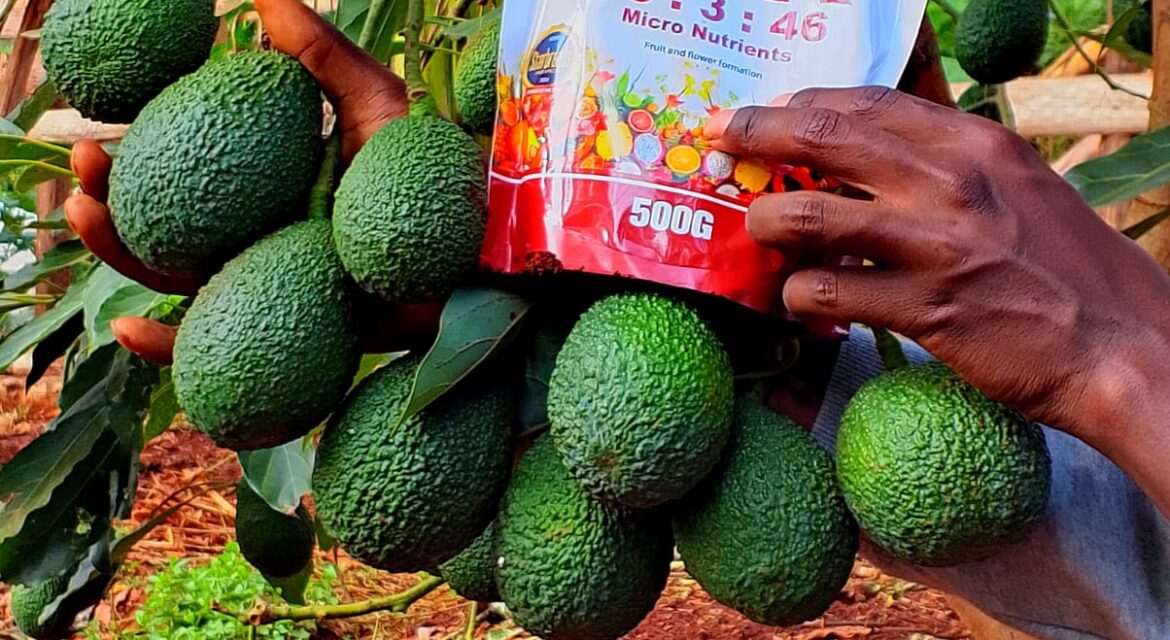
SeedPro SureGrow NPK 13:3:46 for Avocado Farming
When avocado trees enter the fruit development stage, they require increased potassium levels to support fruit growth and quality.
SeedPro SureGrow NPK 13:3:46 High Potassium Foliar Fertilizer is specially formulated to provide this essential nutrition.
Benefits include:
- Improved fruit development
- Better fruit filling
- Increased fruit size
- Enhanced fruit quality
- Improved plant vigor
- Higher marketable yields
The high potassium content helps direct energy towards fruit growth, allowing farmers to harvest larger and more uniform avocados.
Internal Link Opportunity
Link this section to:
SeedPro SureGrow NPK 13:3:46 Product Page
Anchor text:
“Learn more about SeedPro SureGrow NPK 13:3:46 High Potassium Foliar Fertilizer.”
Common Challenges in Avocado Farming
Fruit Drop
Fruit drop is a major concern among avocado farmers. Causes include:
- Moisture stress
- Nutrient deficiencies
- Poor pollination
- Pest infestations
Maintaining proper nutrition and irrigation significantly reduces losses.
Pests and Diseases
Common pests include:
- Thrips
- Fruit flies
- Scale insects
- Mites
Common diseases include:
- Root rot
- Anthracnose
- Cercospora spot
Regular scouting and integrated pest management are essential.
Poor Fruit Size
Poor nutrition, especially potassium deficiency, is a leading cause of undersized fruits.
How to Increase Avocado Yield in Kenya
To maximize production, farmers should:
- Plant certified seedlings.
- Conduct regular soil testing.
- Apply balanced fertilizers.
- Use high-potassium foliar feeds during fruit development.
- Irrigate during dry periods.
- Prune regularly.
- Control pests and diseases promptly.
- Harvest fruits at the correct maturity stage.
Farmers who consistently implement these practices often achieve better yields and higher profits.
The Future of Avocado Farming in Kenya
The future of avocado farming remains bright as global demand continues to increase. Export opportunities are expanding, and consumers worldwide continue to seek high-quality Kenyan avocados.
To remain competitive, farmers must focus on quality production through proper orchard management and strategic crop nutrition.
Products such as SeedPro SureGrow NPK 13:3:46 High Potassium Foliar Fertilizer help avocado growers meet the nutritional demands of fruiting trees, resulting in healthier orchards, bigger fruits, and improved profitability.
Conclusion
Avocado farming in Kenya continues to offer enormous opportunities for farmers willing to invest in proper management practices. While good agronomic practices are essential, nutrition remains one of the biggest factors influencing yield and fruit quality.
As the new green gold continues to transform the agricultural landscape, farmers who prioritize proper nutrition, especially during fruit development, will be better positioned to achieve premium harvests and maximize returns.
For growers seeking bigger, healthier, and more marketable avocados, SeedPro SureGrow NPK 13:3:46 provides the potassium-rich nutrition needed to support profitable avocado production.