 18 September 2026
Unlocking Hidden Wealth: How Organo-Mineral Fertilizers Release Locked Soil Nutrients
Introduction
Your soil may contain plenty of nutrients, yet your crops can still show signs of deficiency. This is because having a nutrient in the soil does not always mean that the plant can access it.
Some nutrients become unavailable because of soil pH, fixation, low organic matter, poor soil biology or interactions between different nutrients. This is what farmers often describe as nutrients being “locked” in the soil.
The goal of good soil fertility management is therefore not simply to add more fertilizer. It is to improve the conditions that allow nutrients to become available to the crop.
This is where organo-mineral fertilizers can play an important role.
What Are Locked Soil Nutrients?
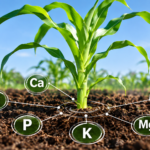
Plants absorb nutrients mainly through their roots in forms that are available in the soil solution. However, nutrients can become chemically or physically associated with soil particles and compounds, making them less accessible to plants.
Phosphorus is a good example. Depending on soil conditions, especially soil chemistry and pH, phosphorus can become strongly associated with minerals in the soil.
Other nutrients can also become less available when the soil has poor structure, low organic matter or an imbalance between nutrients.
This means applying more fertilizer is not always the answer. The soil environment also matters.
How Organic Matter Supports Nutrient Availability
The organic component of an organo-mineral fertilizer contributes carbon containing materials to the soil.
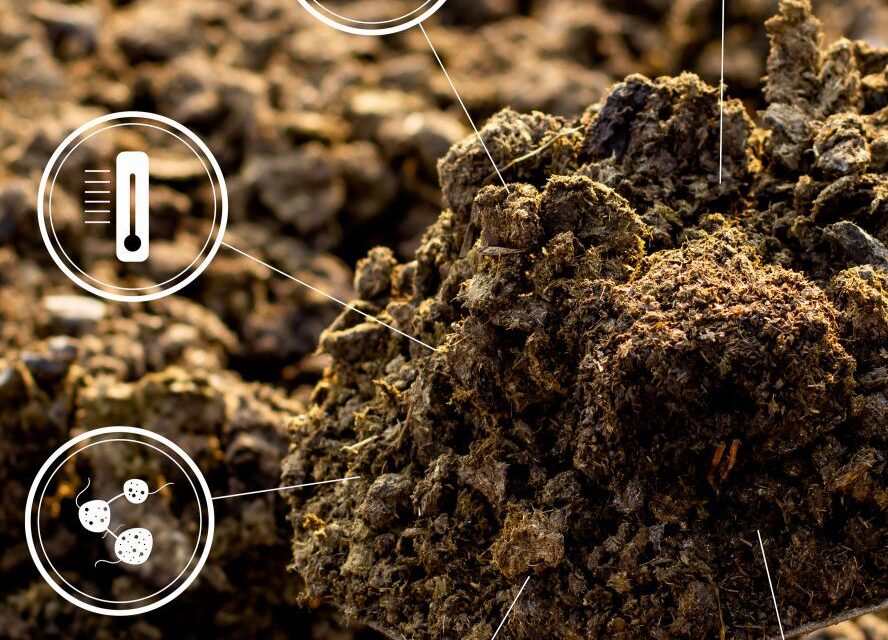
Soil organic matter is important because it provides a source of carbon for soil microorganisms. These microorganisms participate in decomposition and nutrient cycling, helping transform organic materials and nutrients into forms that can become available to plants.
Organic matter can also contribute to better soil structure and water holding capacity. A healthier root zone gives plant roots a better environment in which to explore the soil and access nutrients.
This is why carbon is an important part of the bigger soil fertility picture.
The Role of Carbon in Soil
Carbon is fundamental to healthy soil biology.
Soil microorganisms require carbon as an energy source. When suitable organic materials are present, microbial activity can contribute to the decomposition and cycling of nutrients within the soil.
Carbon containing organic matter can also contribute to soil aggregation. Better aggregation can improve the physical condition of the soil, including aeration, water movement and root development.
For farmers, the important point is simple:
Carbon helps create a soil environment where biological and physical processes involved in nutrient cycling can function more effectively.
However, carbon should not be viewed as a magic chemical that directly releases every locked nutrient. Its benefit comes from its role in organic matter, microbial activity and overall soil functioning.
Why Combine Organic and Mineral Nutrients?
Mineral fertilizers provide nutrients in forms designed to supply crops with essential elements such as nitrogen, phosphorus and potassium.
The organic component serves a different but complementary purpose by contributing organic carbon and materials that support soil processes.
An organo-mineral fertilizer therefore brings these two approaches together. The mineral component supplies essential plant nutrients, while the organic component can contribute to the soil environment and nutrient cycling.
This is particularly relevant where continuous cultivation has reduced soil organic matter and soil fertility.
What Kenyan Farmers Can Do
Farmers can improve nutrient availability by looking beyond fertilizer quantity and considering the condition of the soil.
Start with soil testing where possible. Knowing the soil pH and nutrient status helps guide fertilizer decisions.
Farmers should also:
• Maintain adequate organic matter in the soil
• Apply balanced nutrients according to crop requirements
• Correct unsuitable soil pH where necessary
• Avoid excessive application of individual nutrients
• Maintain good soil moisture
• Encourage strong root development
• Use fertilizers according to the crop growth stage
• Consider products that combine mineral nutrients with organic components
Good fertilizer management is about giving the crop the nutrients it needs while also maintaining a productive root environment.
SeedPro and Organo-Mineral Fertilizers
At SeedPro Kenya, our approach to fertilizer development recognizes that crop nutrition and soil health are connected.
Our organo-mineral fertilizers combine mineral plant nutrients with organic components, including carbon containing materials. We also work with recovered agricultural materials such as avocado waste as part of our approach to converting useful organic resources into agricultural inputs.
The objective is not simply to put more nutrients into the soil. It is to develop fertilizers that bring together plant nutrition and organic matter as part of a broader soil fertility approach.
The Real Wealth Beneath Your Feet
The soil can contain a significant store of nutrients, but the crop can only benefit from nutrients that become sufficiently available within its root zone.
That is why the question should not only be, “How much fertilizer am I applying?”
A better question is:
“What am I doing to improve nutrient availability and create a healthy environment for my crop roots?”
Organo-mineral fertilizers offer one approach by combining mineral nutrients with organic carbon containing materials that can support soil biological and physical processes.
For Kenyan farmers, building productive soils is not just about feeding today’s crop. It is about managing the soil so that it can continue supporting crops season after season.
SeedPro Kenya: Ni Siri Ya Mazao.