29 October 2025
How to Boost Crop Yields with Foliar Feeds During Dry Seasons
Every farmer knows the pain of watching crops struggle when the rains delay. The leaves turn dull, growth slows down, and everything that looked promising suddenly looks weak. Yet, there’s a secret tool that can keep your crops thriving even when the soil is dry foliar feeds.
Foliar feeds during dry seasons have become one of the smartest ways for farmers to keep crops green, strong, and producing when water is scarce. These liquid fertilizers are sprayed directly on the leaves, allowing the plant to absorb nutrients immediately through small openings called stomata.
During dry periods, roots cannot absorb enough nutrients because the soil lacks moisture. Foliar feeding bypasses the soil and delivers nutrients straight to where the plant can use them fastest.
Why Foliar Feeding Works So Well
Plants need nutrients at every stage of growth from germination to flowering and fruiting. But when it’s dry, even if your soil has fertilizer, the crop struggles to take it up. That’s why spraying foliar feeds during dry seasons gives instant support.
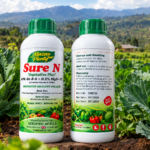
Seedpro Kenya’s foliar feeds are carefully formulated with the right mix of macronutrients (NPK) and micronutrients (iron, zinc, magnesium, boron) that help the plant continue normal processes like photosynthesis and fruit development.
When farmers use foliar feeds, they often notice greener leaves within 3–5 days that’s how fast the nutrients move through the plant.
When to Use Foliar Feeds During Dry Seasons
Timing is everything. The best time to spray is early in the morning or late in the evening when the sun is not too hot. This allows the leaves to absorb nutrients before evaporation occurs.
If your crops show signs like yellowing, curling leaves, or delayed flowering, it’s a clear signal that they are under stress. That’s the moment to bring in foliar feeding.
During dry spells, aim to spray every 10–14 days for consistent nutrient supply. For crops like beans, potatoes, tomatoes, and maize, foliar feeding at key growth stages (flowering and fruiting) ensures that even if rains fail, the plant doesn’t pause its development.
How to Mix and Apply Foliar Feeds Correctly
-
Use clean water. Dirty or salty water can reduce effectiveness or block nozzles.
-
Follow mixing ratios carefully. For Seedpro foliar feeds, a standard 20-litre knapsack usually takes 50–100 ml of the product, depending on crop type.
-
Target both sides of the leaves. Most stomata are on the underside, so ensure even coverage.
-
Avoid spraying under strong sunlight heat causes fast drying, reducing absorption.
When used this way, foliar feeds during dry seasons ensure that your plants don’t stop feeding even when the ground is dry.
The Science Behind It
Foliar feeding provides nutrients that move directly into the plant’s sap. Once sprayed, the nutrients dissolve in the thin layer of moisture on the leaf surface and enter through stomata. Within hours, these nutrients travel to growing points, flowers, and fruits.
This direct absorption is why farmers see quick responses compared to soil fertilizers. In short, foliar feeding is not a replacement but a boost it works hand in hand with your base fertilizer program.
What Farmers Are Saying
Chao, a bean farmer from Murang’a, started using Seedpro foliar feed during the 2024 dry season. His neighbors’ crops turned pale and stopped flowering, but hers remained green and kept producing pods. He says, “Even when it didn’t rain for three weeks, I still harvested something. The foliar feed really helped.”
Many similar stories come from potato farmers in Nyandarua and maize farmers in Nakuru. Those who included foliar feeds in their programs consistently report better yields and stronger crop recovery after dry stress.
Common Mistakes to Avoid
-
Over-spraying or high concentration: Too much product doesn’t mean faster results. Always follow the label.
-
Ignoring pest control: If your leaves are covered with pests or dust, foliar absorption reduces. Clean leaves first or spray after pest treatment.
-
Mixing incompatible products: Don’t mix foliar feeds with strong pesticides or lime-sulfur sprays. Always check compatibility.
Foliar Feeding and Climate Change
With unpredictable rainfall and rising temperatures, foliar feeds during dry seasons are becoming a must-have tool for sustainable farming. They help farmers maintain productivity even under stress, reducing total losses.
When used consistently, foliar feeds improve plant resilience meaning the crop can handle both drought and pest pressure better. They also save on fertilizer use since nutrients are used more efficiently.
For example, a farmer who uses DAP at planting, top dresses with Calci Topper, and supplements with foliar feeds during dry spells is guaranteed healthier crops with better yield consistency.
Why Choose Seedpro Foliar Feeds
Seedpro Kenya formulates foliar feeds with Kenyan soils and crops in mind. The products dissolve quickly, are easy to spray, and provide a balanced blend of nutrients. Whether you’re growing cabbages, beans, potatoes, or maize, Seedpro’s foliar feeds strengthen your crop from the inside out.
The key advantage is faster nutrient uptake and visible results within days. It’s like giving your crops a quick energy drink when they need it most.
Final Take
The next time the rains delay or your crops look tired, don’t wait helplessly. Pick up your knapsack sprayer and apply foliar feeds during dry seasons to keep your crops fed and healthy. Remember, good farming isn’t just about planting it’s about understanding how to support your plants through every challenge.
At Seedpro Kenya, we help farmers bridge the gap between weather and productivity. Because when the soil can’t feed the plant, the leaves can.