 25 August 2026
How to Grow Heavy, Compact Cabbage Heads That Buyers Fight For
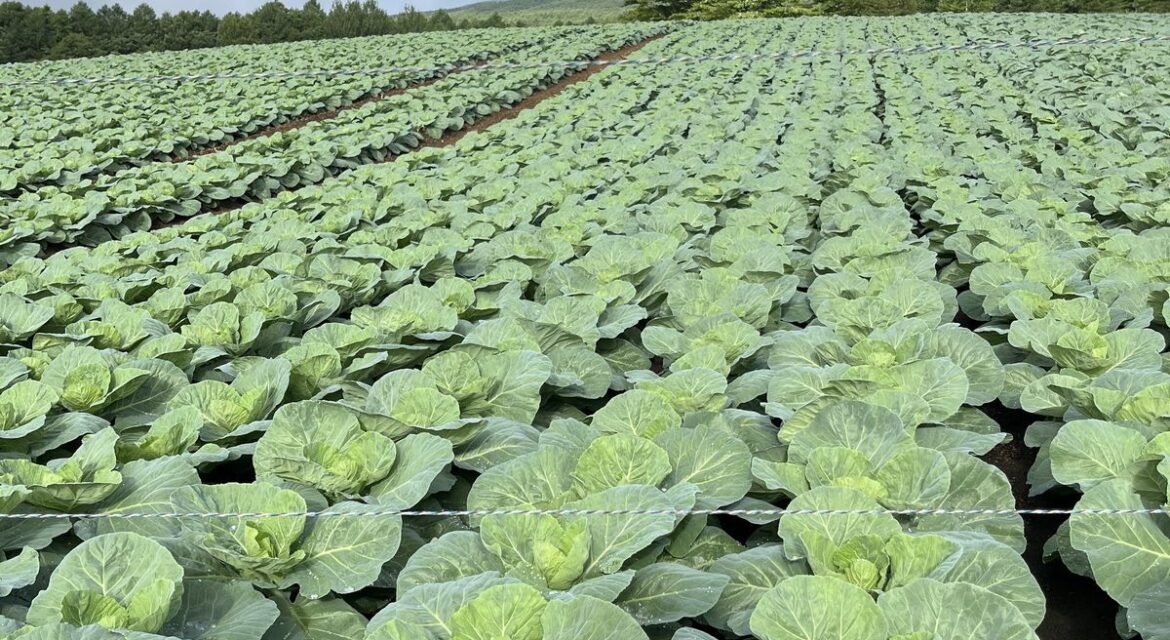
Growing cabbage is not simply about getting large plants. The real goal is to produce heavy, compact, firm and uniform cabbage heads that attract buyers and give farmers better returns per acre.
A cabbage crop can look healthy in the field but still produce loose, small or poorly formed heads if nutrition, water, spacing and crop management are not properly balanced.
For Kenyan farmers, especially those growing cabbage for commercial markets, good head formation starts long before the cabbage begins to close.
Here is how to grow cabbage that buyers will be looking for.
1. Start With the Right Cabbage Variety
The first step towards producing heavy cabbage heads is choosing a variety suited to your market and growing conditions.
Different cabbage varieties have different maturity periods, head sizes, shapes and tolerance to diseases.
If your target market prefers large, round and tightly packed heads, choose a variety known for producing those characteristics.
Do not choose a variety simply because another farmer harvested a good crop from it. Consider your altitude, climate, disease pressure, market preference and maturity period.
A good variety can give you the genetic potential for a heavy head, but proper crop management is what helps the plant reach that potential.
2. Prepare the Soil Before Planting
Cabbage is a heavy feeder. It needs fertile soil with good drainage and enough organic matter.
Before planting, prepare the field properly and incorporate well decomposed manure or compost where available.
A soil test is also highly recommended because it tells you what your soil already contains and which nutrients may be limiting.
Avoid planting cabbage repeatedly on the same piece of land without considering crop rotation. Continuous cabbage and other brassica production can increase disease and pest problems.
Good soil preparation gives the roots room to develop and absorb nutrients and water efficiently.
3. Give Cabbage Enough Nutrients From the Beginning
One of the biggest mistakes farmers make is waiting until cabbage starts forming heads before thinking seriously about nutrition.
By then, the crop has already passed through several important growth stages.
Cabbage needs adequate nutrients for vigorous leaf development before heading. Those large healthy leaves act like the factory that produces energy for head formation.
A balanced fertilizer program can therefore make a major difference.
For farmers using SeedPro organo-mineral fertilizers, products such as Siri Planta can be incorporated into a broader soil fertility program according to the crop and soil requirements.
The exact fertilizer rate should depend on your soil test, fertilizer analysis and local agronomic recommendations.
4. Do Not Focus Only on Nitrogen
Nitrogen is important for cabbage because it promotes strong vegetative growth and leaf development.
However, giving excessive nitrogen without balancing other nutrients can create problems.
You may end up with very large, soft leaves without getting the firm, compact heads you are targeting.
Cabbage also requires nutrients such as phosphorus, potassium, calcium, magnesium, sulphur and several micronutrients.
Phosphorus supports root development and early crop establishment.
Potassium is important for overall plant strength, water regulation and crop quality.
Calcium contributes to strong plant tissues and healthy growing points.
Magnesium is important because it forms part of chlorophyll, which is essential for photosynthesis.
The goal is not simply to apply more fertilizer. The goal is to provide the right nutrients in the right balance at the right stage.
5. Build a Strong Leaf Canopy Before Head Formation
A heavy cabbage head needs a strong plant behind it.
Before the head begins to form, focus on producing healthy, broad leaves.
These leaves capture sunlight and manufacture carbohydrates through photosynthesis. Some of the products of photosynthesis are eventually stored in the developing cabbage head.
This means poor leaf development can limit your final head size.
Scout the crop regularly for nutrient deficiencies, insect damage, diseases and weed competition.
Do not wait until the leaves are severely damaged before taking action.
6. Keep Weeds Under Control
Weeds compete with cabbage for water, nutrients, sunlight and space.
During the early stages, cabbage plants can be particularly vulnerable because they have not yet developed a large canopy.
A heavily weeded field can therefore reduce crop performance and ultimately affect head size.
Keep the field clean, especially during the critical early growth period.
Care should be taken during weeding because cabbage has a relatively shallow root system and aggressive cultivation close to the plant can damage roots.
7. Water Consistently During Head Formation
Water management is one of the most important factors when growing heavy cabbage heads.
Cabbage requires a reliable supply of moisture, particularly during rapid growth and head formation.
When the crop experiences repeated moisture stress, growth slows down. If the farmer then gives the crop excessive water after a dry period, rapid water uptake can contribute to problems such as splitting in some varieties.
The aim is to maintain relatively consistent soil moisture rather than allowing the crop to move repeatedly between severe dryness and excessive wetness.
Where irrigation is available, drip irrigation can help farmers deliver water more efficiently and maintain better moisture control.
8. Feed the Crop According to Its Growth Stage
Cabbage does not have exactly the same nutritional demand throughout its entire growing period.
The crop needs strong establishment and vegetative growth early on. As it approaches head formation, nutrient management should support the development and quality of the head rather than simply encouraging more leaves.
This is where foliar nutrition can complement your soil fertility program.
Products such as SeedPro Macro Pro can be incorporated into a crop nutrition program where appropriate, particularly when additional foliar nutrients are required.
Foliar feeding should complement good soil fertility. It should not be used as a substitute for proper soil nutrition.
Always follow the product label and recommended application rates.
9. Watch for Cabbage Pests
You can have excellent soil fertility and still lose your cabbage market if pests destroy the leaves.
Common cabbage pests in Kenya include:
- Diamondback moth
- Aphids
- Cabbage loopers
- Cutworms
- Caterpillars
Diamondback moth can be particularly destructive because the larvae feed on cabbage leaves and can create holes across the crop.
Regular scouting is therefore essential.
Walk through the field frequently and inspect both the upper and lower surfaces of leaves.
Early detection gives you more management options and can prevent a small pest problem from becoming a major crop loss.
Always use registered crop protection products according to their labels and observe the required pre-harvest intervals.
10. Protect the Crop From Diseases
Cabbage diseases can reduce both yield and quality.
Common problems include black rot, downy mildew, clubroot and other fungal or bacterial diseases.
Good field hygiene, crop rotation, proper drainage, quality seedlings and avoiding unnecessary leaf wetting can help reduce disease pressure.
Do not ignore the first signs of disease.
A disease problem that starts with a few plants can spread quickly under favourable conditions.
11. Get Your Plant Spacing Right
Spacing affects the final size and shape of cabbage heads.
When plants are too close together, competition for light, water and nutrients increases. This can result in smaller heads depending on the variety and management.
When plants are excessively spaced, you may get larger individual plants but lose potential yield per acre.
The ideal spacing depends on the cabbage variety and the head size your target market prefers.
Always follow the recommended spacing for your chosen variety rather than copying another farmer’s spacing blindly.
12. Support Head Formation With Balanced Nutrition
As cabbage moves into head formation, the plant begins directing more resources towards the developing head.
This is a critical stage for farmers targeting heavy and compact produce.
A balanced nutrition program should ensure that the crop does not run short of key nutrients during this period.
SeedPro products such as Maximizer, Macro Pro and other crop nutrition products can be used as part of a properly planned crop nutrition program, depending on the crop stage and identified nutritional needs.
Remember that foliar products work best when used correctly. More product does not automatically mean better results.
13. Do Not Forget Calcium and Other Secondary Nutrients
Farmers often focus heavily on NPK and forget secondary nutrients and micronutrients.
Calcium, magnesium, sulphur, boron and zinc all play important roles in plant growth and development.
For example, calcium is important for cell wall development and healthy growing tissues, while magnesium is central to chlorophyll formation.
A deficiency in one important nutrient can affect the crop even when other nutrients are available.
Products such as SeedPro MagBoZinc can be considered where micronutrient supplementation is appropriate.
However, nutrient deficiencies should ideally be confirmed through soil or plant analysis rather than relying only on guesswork.
14. Give the Crop Enough Time to Mature
One common mistake is harvesting cabbage too early because the farmer needs money or sees a ready market.
If the variety has not reached proper maturity, the heads may be lighter and less compact than their potential.
A mature cabbage head should have the firmness and size expected for that particular variety and market.
Do not judge maturity using size alone.
Press the head gently to assess firmness and check the maturity characteristics provided by the seed supplier.
15. Harvest at the Right Time
Timing can make a significant difference to cabbage quality.
Harvesting too early can reduce weight and marketable yield.
Harvesting too late can increase the risk of splitting, pest damage and deterioration depending on the variety and field conditions.
Use a sharp, clean harvesting knife and leave an appropriate amount of outer leaves to protect the head during handling and transportation.
Handle the heads carefully because bruising can reduce their market value.
The Secret Is Not One Fertilizer
If you want buyers to compete for your cabbage, do not look for one magic fertilizer.
Heavy, compact cabbage heads come from combining several things:
Good variety + fertile soil + balanced nutrition + adequate water + proper spacing + weed control + pest management + disease management + correct harvesting.
Every stage contributes to the final result.
A farmer who gets the fertilizer right but ignores water can still have disappointing heads. Another farmer may have good soil but lose yield because of pests. The best results come from managing the entire crop.
Final Thoughts
Growing heavy cabbage heads is a process that begins before transplanting and continues until harvest.
Start with a variety that matches your market. Prepare the soil properly. Feed the crop according to its nutritional needs. Keep weeds and pests under control, maintain consistent moisture and pay close attention during head formation.
If you are using SeedPro fertilizers and foliar products, build them into a complete crop nutrition program rather than treating any single product as a shortcut.
The goal is simple: healthy plants, compact heads, high marketable yield and better returns per acre.
When your cabbage reaches the market with good size, firmness, uniformity and appearance, you give buyers a reason to come back for more.
SeedPro Africa: We grow more with less.