 29 August 2026
El Niño Farming Tips in Kenya: How to Protect Your Crops, Stop Stress and Save Your Yield
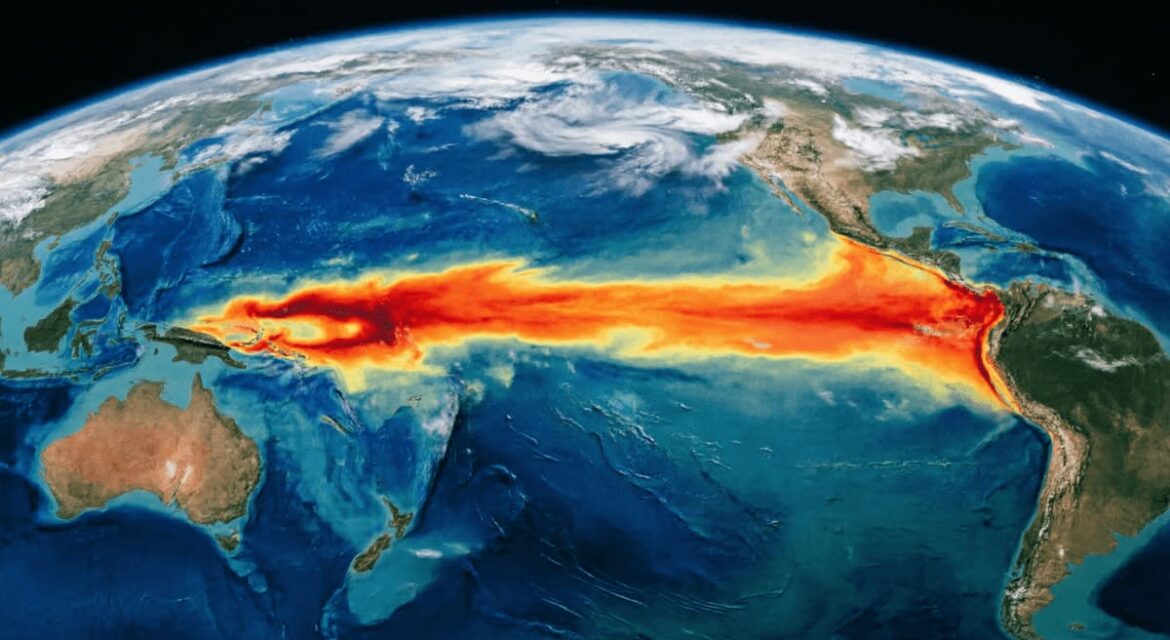
If you are a farmer growing tomatoes, potatoes, onions, maize or Sukuma Wiki, heavy rainfall is not something to take lightly.
One week your shamba can look promising. Then several days of continuous rain can leave your crops sitting in water, roots struggling for oxygen, flowers dropping and growth suddenly slowing down.
For farmers investing thousands of shillings in seed, fertilizer, labour and crop protection, this is a serious concern.
The good news is that farming during El Niño requires action, not panic.
Whether you are dealing with El Niño in Kenya, unusually heavy rainfall or prolonged wet conditions, protecting your crop starts with managing water, protecting the root zone and helping stressed plants recover.
Here are practical El Niño farming tips every Kenyan farmer should know.
1. Take These 3 Immediate Actions on Your Farm
When heavy rain starts, don’t just stand and watch the water collect around your crops.
1. Dig drainage channels
Create drainage trenches where necessary to move excess water away from the crop root zone.
This is especially important in fields growing tomatoes, onions, potatoes and other crops that perform poorly under prolonged waterlogging.
2. Raise your planting beds
For crops such as onions and vegetables, raised beds can improve drainage and reduce the amount of time roots remain submerged.
If you are preparing a new shamba during the rainy season, think about drainage before planting, not after flooding starts.
3. Keep furrows and waterways clear
Leaves, weeds, soil and crop residue can block drainage channels.
Check your farm regularly and clear anything preventing excess water from leaving the field.
Remember: the first job during heavy rainfall is to get excess water away from the roots.
2. Why Waterlogging Is So Dangerous to Crops
One of the biggest problems farmers face during prolonged rainfall is waterlogging in plants.
Roots need oxygen to function properly.
When soil remains saturated with water, the air spaces between soil particles become filled with water. Root respiration is affected, and the plant’s ability to take up water and nutrients can decline.
At the same time, cloudy weather means less sunlight reaches the leaves.
That can reduce photosynthesis, meaning the plant produces less energy for growth and development.
The result can be:
• Sudden stunting
• Yellowing leaves
• Weak growth
• Poor nutrient uptake
• Flower abortion
• Fruit drop
• Reduced tuber bulking
• Poor onion bulb development
For tomato farmers, one particularly frustrating problem can be tomato flower drop.
The plant may have plenty of flowers, but environmental stress can interfere with successful fruit setting.
3. Don’t Throw More Fertilizer at a Flooded Crop
This is where many farmers make an expensive mistake.
The crop looks stressed, so the farmer thinks:
“Let me add more fertilizer.”
But if the root zone is saturated, simply applying more solid fertilizer to the soil is not necessarily the solution.
The problem is not always that nutrients are absent.
The problem can be that the stressed root system is unable to take up nutrients efficiently.
Adding excessive fertilizer to an already stressed root zone can also increase production costs without solving the underlying problem.
So before reaching for another bag of top-dressing fertilizer, first ask:
Is my root zone healthy enough for the plant to use what I am applying?
Fix the drainage problem first.
Then think about how to support crop recovery.
4. The Secret Weapon: Foliar Biostimulants

This is where foliar feeding becomes an important tool in a crop stress management programme.
Unlike soil-applied fertilizer, foliar products are applied directly to the leaves.
SeedPro’s Maximizer Biostimulant is designed to support crops during periods of stress and active growth.
Its formulation includes amino acids and seaweed-derived extracts, ingredients commonly used in biostimulant programmes to support plant recovery and physiological processes under challenging conditions.
Think of it as a crop stress reliever, not a replacement for good farming.
When the roots are under pressure from excess moisture, foliar nutrition provides another route for supplying supportive compounds through the plant’s foliage.
That can be particularly useful when crops are recovering from environmental stress.
However, let’s be clear:
Maximizer does not drain a flooded field, cure root diseases or replace proper crop protection.
It is one part of a wider stress management programme.
The winning combination is:
Drainage + healthy roots + disease management + balanced nutrition + strategic foliar feeding.
5. How Maximizer Can Fit Into Your El Niño Crop Programme
Different crops respond differently to stress, but the principle remains the same.
For tomatoes:
Support the plant during periods of environmental stress and protect flowering and fruit development through good overall crop management.
For potatoes:
Focus on drainage, healthy foliage and protecting the crop during critical tuber development stages.
For onions:
Prevent prolonged waterlogging and maintain healthy foliage for continued bulb development.
For maize:
Ensure excess water drains away quickly, particularly where soils are heavy or poorly drained.
For Sukuma Wiki and other leafy vegetables:
Maintain drainage and monitor the crop closely for nutrient deficiencies and disease pressure.
The goal is not simply to make the crop greener.
The goal is to help the crop remain productive while you address the source of stress.
6. Pro Tip: Don’t Spray Just Before Heavy Rain
There is no point spending money on foliar products only for the rain to wash them off minutes later.
During rainy conditions:
Choose a genuine rain break.
Look at the weather conditions and spray when you have enough dry time for the product to remain on the foliage and be absorbed according to the product instructions.
A suitable sticker or spreader, where compatible and recommended, can also improve spray coverage and retention.
But always follow the product label regarding mixing and compatibility.
And never spray when leaves are already heavily wet from rain unless the product instructions specifically allow it.
7. Watch Your Crops Closely After Heavy Rain
Don’t wait until the damage becomes obvious.
Walk through your farm after major rainfall and check:
• Are roots sitting in water?
• Are leaves beginning to yellow?
• Are tomato flowers dropping?
• Are potato plants losing vigour?
• Are onions showing signs of stress?
• Are fungal and bacterial diseases increasing?
• Are nutrients showing deficiency symptoms?
Early action gives you more options.
A stressed crop that receives proper management early has a better chance of recovering than one left unattended for weeks.
Protect Your Investment Before the Next Heavy Rain
You cannot control the weather.
But you can control how prepared your farm is.
Improve drainage.
Raise beds where appropriate.
Keep furrows open.
Scout your crops.
Avoid unnecessary fertilizer applications to severely waterlogged soils.
And consider a strategic foliar biostimulant programme to support crops experiencing environmental stress.
For Kenyan farmers looking for a crop stress reliever during challenging weather, SeedPro Maximizer Biostimulant can be incorporated into a broader crop management programme.
Don’t wait until your tomatoes are dropping flowers, your potatoes stop bulking or your Sukuma Wiki starts struggling.
Protect the investment you have already made.
Need Help Choosing the Right Product?
Talk to SeedPro Africa agronomists for guidance on your crop and situation.
WhatsApp/Call: +254 719 332 102
Visit seedpro.co.ke and get the right crop nutrition support for your farm.
When the rains become unpredictable, your farm management cannot be.