 29 May 2026
How to Increase Watermelon Size Naturally in Kenya
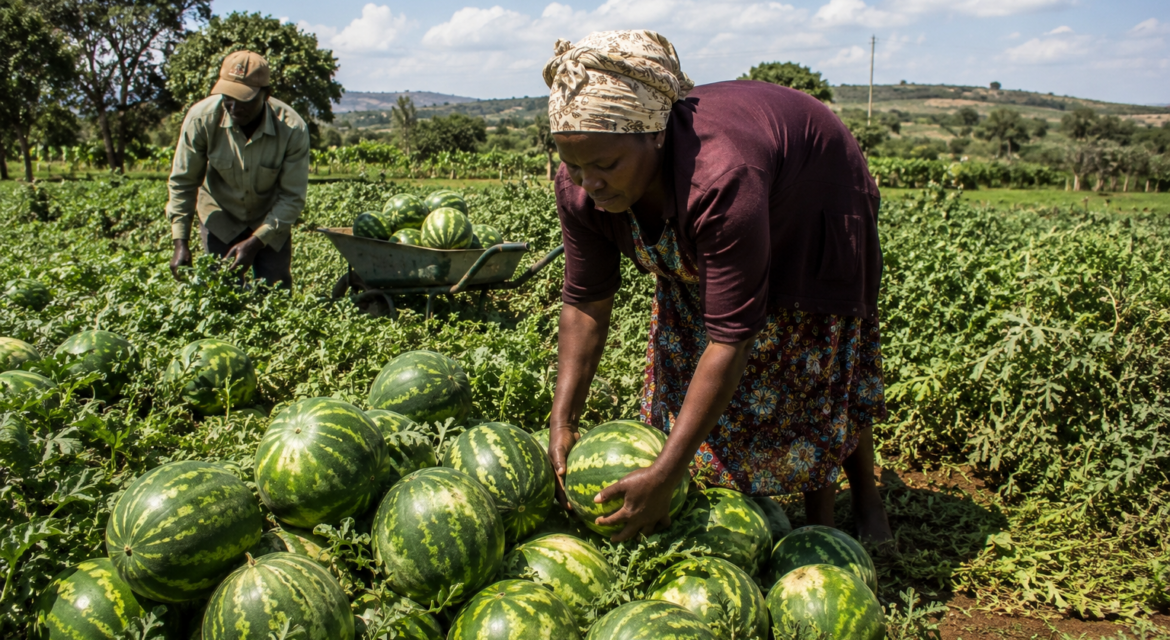
Watermelon farming in Kenya has become one of the most profitable agribusiness ventures due to the high demand for sweet and large fruits in local markets, supermarkets and export channels.
However, many farmers still struggle with:
- Small watermelon fruits
- Poor fruit filling
- Low sweetness
- Uneven fruit size
- Flower drop
- Low yields
Most farmers search online for:
- How to increase watermelon size
- Best fertilizer for watermelon in Kenya
- Best foliar feed for watermelon
- How to get sweeter watermelons
- Watermelon flowering fertilizer
- Why watermelon fruits are small
The secret to large and sweet watermelons is proper crop nutrition, irrigation and management during flowering and fruit development stage.
Why Watermelon Fruits Remain Small
Small watermelon fruits are usually caused by:
- Poor pollination
- Lack of potassium
- Boron deficiency
- Inconsistent watering
- Poor soil fertility
- Weak plant growth
- Inadequate foliar feeding
For farmers to achieve bigger fruits, the crop needs enough nutrients during flowering and fruit enlargement stage.
Importance of Proper Nutrition in Watermelon Farming
Watermelons are heavy feeders and require balanced nutrition throughout their growth cycle.
Important nutrients include:
- Nitrogen for vegetative growth
- Phosphorus for root development
- Potassium for fruit filling
- Calcium for fruit firmness
- Boron for flowering and fruit setting
- Magnesium for photosynthesis
Poor nutrient management reduces fruit quality and market value.
Best Fertilizer Program for Bigger Watermelons
1. Early Vegetative Stage
At this stage, the crop requires nutrients for vigorous vine and leaf development.
Use Maximizer
Maximizer helps:
- Improve plant establishment
- Promote healthy green leaves
- Increase nutrient uptake
- Reduce transplant shock
Healthy leaves are important because they support photosynthesis and energy production needed for fruit growth.
Apply during early growth stage for strong crop establishment.
2. Flowering Stage
Flowering is one of the most critical stages in watermelon farming.
Poor nutrition during this stage leads to:
- Flower abortion
- Poor fruit setting
- Weak fruits
Use Magbozinc
Magbozinc contains magnesium, boron and zinc which are important during flowering and fruit setting.
Benefits of Magbozinc:
- Promotes flowering
- Improves pollination
- Enhances fruit set
- Reduces flower drop
- Improves crop vigor
Boron is especially important because it supports pollen formation and fruit development.
Farmers usually notice more fruits forming after proper application.
3. Fruit Enlargement Stage
Once fruits start developing, the crop requires more nutrients for fruit filling and sizing.
Use Siri Tunda
Siri Tunda helps:
- Increase fruit size
- Improve fruit weight
- Enhance sweetness
- Improve fruit uniformity
- Increase market quality
Proper nutrition during fruit enlargement helps farmers achieve large and attractive fruits preferred by buyers.
Importance of Irrigation in Watermelon Farming
Watermelons require consistent moisture especially during fruit enlargement stage.
Poor watering can lead to:
- Small fruits
- Cracking
- Reduced sweetness
- Poor fruit filling
Drip irrigation is highly recommended because it:
- Saves water
- Reduces diseases
- Improves nutrient efficiency
- Maintains consistent soil moisture
You can also learn more about drip irrigation systems from Aqua Hub Kenya.
Best Practices for Bigger Watermelons
Proper Spacing
Overcrowding reduces fruit size because plants compete for nutrients and sunlight.
Recommended spacing helps:
- Improve airflow
- Reduce diseases
- Increase fruit development
Pollination Management
Poor pollination leads to misshapen and small fruits.
Farmers should:
- Encourage pollinators
- Avoid excessive pesticide spraying during flowering
- Maintain healthy crop nutrition
Weed and Pest Control
Weeds and pests compete with crops for nutrients.
Common watermelon pests in Kenya include:
- Aphids
- Whiteflies
- Thrips
- Fruit flies
Timely pest management helps maintain healthy crop growth.
Common Mistakes That Reduce Watermelon Size
Many farmers fail to achieve large fruits because of:
- Poor nutrition
- Excess nitrogen
- Irregular watering
- Delayed spraying
- Poor pollination
- Weak disease management
Balanced nutrition is very important during flowering and fruiting stage.
Signs Your Watermelon Crop Needs Nutrient Support
Your crop may show:
- Yellowing leaves
- Flower drop
- Small fruits
- Poor fruit filling
- Weak vines
- Slow growth
Early correction improves final yields significantly.
Why Farmers Are Investing More in Foliar Feeding
Modern farming requires efficient nutrient management to maximize profits.
Foliar fertilizers help:
- Correct deficiencies quickly
- Improve crop performance
- Enhance fruit quality
- Increase yields
According to the Food and Agriculture Organization (FAO), balanced crop nutrition plays a major role in improving crop productivity and food security.
Related Farming Guides You Can Also Read
You may also like:
- Best Foliar Feeding Program for Tomatoes in Kenya
- Best Foliar Fertilizer for Flowering and Fruiting Crops in Kenya
- Onion Farming Guide in Kenya for Maximum Bulb Size
These guides help farmers improve crop nutrition and maximize profits.
Final Thoughts
Successful watermelon farming in Kenya depends heavily on proper nutrition, irrigation and crop management.
Using products like Maximizer, Magbozinc and Siri Tunda at the correct growth stages helps farmers improve flowering, fruit setting and fruit enlargement for bigger and sweeter watermelons.
With proper crop nutrition, farmers can achieve better yields, higher quality fruits and improved profits.
For more guidance on watermelon nutrition and foliar feeding programs, contact SeedPro Kenya today.
📞 0719 332 102
📞 0119 098 097