 23 October 2026
Preventing Blossom End Rot and Dropping Flowers in Tomatoes
Why Are My Tomato Flowers Falling Off?
You have invested in seedlings, fertilizer, labour and irrigation, but your tomato flowers keep dropping before forming fruits. This can be frustrating, especially when growing tomatoes for a competitive market.
Flower drop happens when plants experience stress. High temperatures, irregular watering, excessive nitrogen, poor pollination and nutrient imbalances can all contribute. Before buying another fertilizer, identify the main cause.
Tomatoes need stable growing conditions and balanced nutrition throughout flowering and fruit development. Correcting the problem early can help protect your expected harvest.
What Causes Blossom End Rot in Tomatoes?
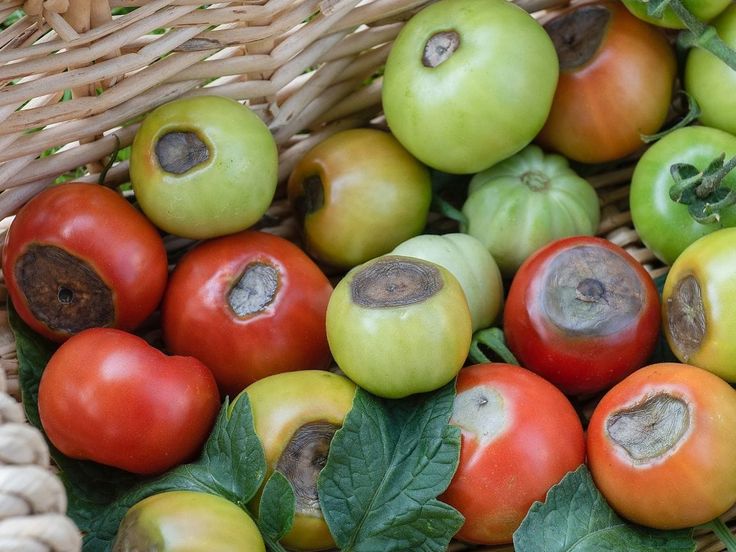
Blossom end rot appears as a dark, sunken patch at the blossom end of a tomato fruit. It is commonly associated with insufficient calcium reaching developing fruit.
However, the problem does not always mean the soil lacks calcium. Rapid growth, damaged roots, irregular irrigation, high salinity and imbalances involving other nutrients can interfere with calcium uptake and movement.
Affected fruit cannot be repaired, so concentrate on preventing damage in new fruits.
How Can You Prevent Flower Drop?
Step 1: Maintain Consistent Soil Moisture
Tomatoes need a steady water supply, particularly during flowering and fruit development. Allowing soil to become very dry before applying large amounts of water can stress roots and interfere with nutrient uptake.
In greenhouses, inspect drip lines and emitters regularly. In open fields, irrigate according to soil moisture, weather and crop demand. Avoid waterlogging because oxygen-starved roots cannot function properly.
Step 2: Balance Nitrogen and Other Nutrients
Nitrogen supports leaf and stem growth, but excessive nitrogen may encourage vegetative growth at the expense of balanced flowering and fruiting. Phosphorus supports energy transfer, while potassium contributes to water regulation and fruit development.
Calcium supports cell wall development, and boron contributes to reproductive growth. However, excessive boron can be toxic. Apply nutrients according to crop requirements rather than combining products without checking their labels.
Which Fertilizers Help Prevent Blossom End Rot?
Calcium is important, but applying calcium alone may not solve the problem if irregular watering or root damage continues.
SeedPro Sure Cal is a calcium-based liquid fertilizer that can be considered when supplementary calcium is required. SeedPro also offers specialized calcium and micronutrient products for crop nutrition. Select the appropriate formulation, follow the label and avoid assuming that every affected crop needs the same application.
Remember that calcium movement into fruits depends strongly on plant water relations. Foliar calcium may help address certain nutritional needs, but calcium sprayed on leaves does not reliably reach every developing fruit. It should not replace root-zone management.
Can Boron Improve Tomato Flowering?
Boron is involved in pollen function, fertilization and normal growing-point development. A deficiency can affect reproductive performance, but flower drop has several possible causes.
Use a boron-containing product only when the crop needs it or agronomic advice supports its application. Boron has a narrow margin between deficiency and toxicity, so never increase the dose to force flowering.
What Should You Check in a Greenhouse?
High greenhouse temperatures can reduce pollen viability and fruit set. Poor ventilation, excessive humidity and inadequate pollination can also affect flowering.
Monitor daytime and night temperatures, improve ventilation where possible and support pollination through suitable greenhouse management. Inspect roots, check irrigation uniformity and review fertilizer records before changing the feeding programme.
A balanced nutrition programme should consider calcium, nitrogen, potassium, magnesium and micronutrients together. More fertilizer is not automatically better.
How Can SeedPro Help Protect Your Tomato Crop?
SeedPro’s Sure Cal, suitable foliar feeds and other crop nutrition products can support a planned programme when matched to the actual problem. The strongest defence combines correct nutrition with consistent irrigation, healthy roots and suitable temperature management.
If flowers are dropping, assess heat, watering, pollination and nitrogen levels first. If blossom end rot appears, stabilize moisture and investigate calcium availability and root-zone conditions before applying additional products.
Final Advice for Tomato Farmers
Protecting tomato flowers and fruits requires prevention, not emergency spraying alone. Maintain even soil moisture, avoid excessive nitrogen, correct confirmed deficiencies and monitor greenhouse conditions.
With balanced nutrition and careful crop management, farmers can reduce avoidable losses and improve the proportion of healthy marketable fruits. SeedPro Africa encourages farmers to diagnose problems before spending more on inputs.
SeedPro Africa: Ni Siri Ya Mazao.