 21 July 2026
Complete Onion Farming Guide in Kenya (2026): From Planting to Harvest
Complete Onion Farming Guide in Kenya
Onion farming is one of the most profitable agribusinesses in Kenya when done correctly. Onions are consumed daily in homes, hotels, schools, restaurants, and food processing industries, creating a steady demand throughout the year.
However, many farmers fail to achieve good yields because of poor land preparation, incorrect fertilizer application, poor irrigation, and delayed pest and disease management.
This guide explains everything you need to know to produce healthy onions with high yields and excellent bulb quality.
Why Grow Onions in Kenya?
Onions have several advantages:
- High demand throughout the year.
- Good market prices during dry seasons.
- Long storage life when harvested and cured properly.
- Suitable for both small-scale and commercial farming.
- Can be grown under irrigation or during rainy seasons with proper drainage.
Best Areas for Onion Farming
Onions perform well in many parts of Kenya including:
- Kajiado
- Narok
- Nyeri
- Kirinyaga
- Embu
- Meru
- Laikipia
- Nakuru
- Baringo
- Machakos
- Makueni
- Murang’a
- Tharaka Nithi
- Parts of Uasin Gishu with irrigation
Well-drained soils and access to irrigation significantly improve production.
Best Onion Varieties in Kenya
Popular varieties include:
Red Coach F1
A popular hybrid known for uniform bulbs, excellent storage, and high yields.
Red Passion F1
Produces attractive red bulbs with excellent market acceptance.
Red Creole
An open-pollinated variety preferred by many smallholder farmers because of its affordability.
Bombay Red
One of the most widely grown varieties due to its adaptability and reliable performance.
Always buy certified seed from reputable agro dealers.
Climate Requirements
Onions grow best under:
- Temperatures between 18°C and 28°C.
- Full sunlight.
- Moderate humidity.
- Well-distributed irrigation.
Excessive rainfall can encourage fungal diseases, while waterlogging may cause bulb rot.
Soil Requirements
The best soils are:
- Well-drained sandy loam soils.
- Rich in organic matter.
- Soil pH between 6.0 and 7.0.
If your soil is acidic, apply agricultural lime several weeks before planting to improve nutrient availability and support healthy root development.
Land Preparation
Prepare the land early by:
- Removing weeds.
- Ploughing deeply.
- Breaking large soil clods.
- Incorporating well-decomposed organic manure.
- Creating raised beds where drainage is poor.
Good land preparation promotes uniform bulb development.
Nursery Establishment
Most onions are first raised in a nursery.
Prepare a fine seedbed and sow seeds in shallow rows. Cover lightly with soil and mulch until germination.
Water regularly without flooding.
Seedlings are usually ready for transplanting after 6 to 8 weeks when they have three to four true leaves.
Transplanting
Transplant during the cool hours of the day.
Recommended spacing:
- 10 cm between plants.
- 20 to 30 cm between rows.
Proper spacing allows bulbs to expand fully while improving air circulation and reducing disease pressure.
Fertilizer Program for High Yields
Nutrition plays a major role in onion size, bulb quality, and storage life.
During Planting
Apply SeedPro DAP Plus (13:32:4 + S + CaO + MgO) during planting.
Its high phosphorus content encourages:
- Strong root establishment.
- Faster seedling recovery after transplanting.
- Early vigorous growth.
The added calcium, magnesium, and sulphur support balanced crop development.
Vegetative Growth
After establishment, onions require nitrogen for healthy leaf development because each healthy leaf contributes to the formation of bulb scales.
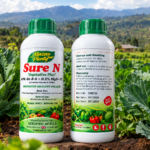
Apply SeedPro Mazao Siri or SeedPro Sure N according to crop requirements to maintain vigorous growth without excessive softness.
Bulb Formation
During bulb enlargement, the crop requires higher levels of potassium.
Potassium helps:
- Increase bulb size.
- Improve bulb firmness.
- Enhance storage life.
- Improve market quality.
Products such as SeedPro Siri Tunda or SeedPro Mazao Plenty can help supply the nutrients needed during this stage.
Foliar Feeding
Supplement soil fertilizers with foliar nutrition where necessary.
SeedPro Macro Pro supplies balanced nutrients and trace elements that support vigorous crop growth, especially during periods of rapid development.
Irrigation
Onions require consistent moisture but dislike waterlogged conditions.
Drip irrigation is highly recommended because it:
- Saves water.
- Delivers moisture directly to the root zone.
- Reduces weed growth.
- Lowers disease incidence.
- Improves fertilizer efficiency.
Avoid overwatering during bulb maturity to reduce rotting.
Weed Management
Weeds compete with onions for nutrients, water, and sunlight.
Maintain a weed-free field, especially during the first two months after transplanting.
Shallow weeding is recommended because onion roots are relatively shallow.
Common Pests
Farmers should regularly scout for:
- Thrips
- Cutworms
- Leaf miners
Early detection allows timely management before severe damage occurs.
Common Diseases
Watch for:
- Purple blotch
- Downy mildew
- Neck rot
- Fusarium basal rot
Good field hygiene, crop rotation, proper spacing, and avoiding excessive irrigation help reduce disease pressure.
Harvesting
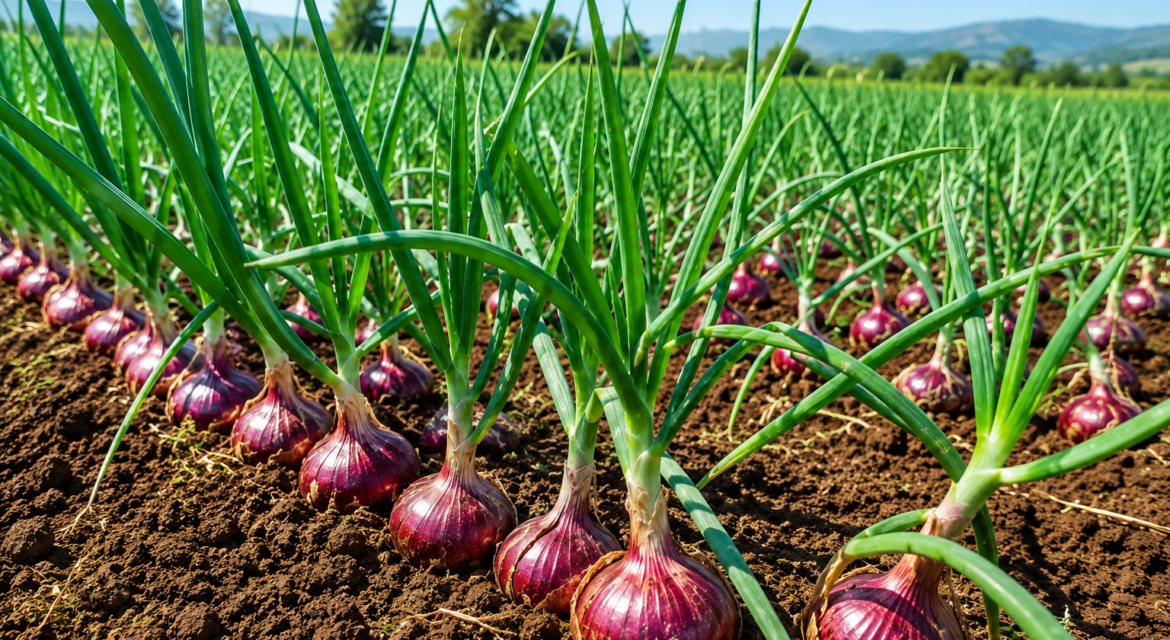
Onions are ready for harvesting when approximately 70 to 80 percent of the tops naturally bend over and begin drying.
Avoid harvesting too early because immature bulbs store poorly.
Curing
After harvesting:
- Dry bulbs under shade with good air circulation.
- Cure for two to three weeks.
- Remove dry leaves and roots after curing.
Proper curing greatly increases storage life.
Marketing
Potential markets include:
- Open-air markets.
- Supermarkets.
- Hotels.
- Restaurants.
- Schools.
- Grocery stores.
- Onion traders.
- Food processors.
Planning your market before planting helps maximize profitability.
Common Mistakes Farmers Make
Many farmers reduce yields by:
- Planting in poorly drained soils.
- Using uncertified seed.
- Applying excessive nitrogen late in the season.
- Failing to irrigate consistently.
- Ignoring pest scouting.
- Delaying weed control.
- Harvesting too early.
Avoiding these mistakes can significantly improve both yield and bulb quality.
Conclusion
Successful onion farming depends on good agronomic practices from land preparation to harvesting. Healthy soils, certified seed, proper spacing, balanced nutrition, efficient irrigation, and timely crop management all contribute to higher yields and better-quality bulbs.
Using a well-planned fertilizer program that supports root development, vegetative growth, and bulb formation helps farmers achieve larger, firmer onions with improved storage life. With careful management, onion farming remains one of the most rewarding agricultural enterprises in Kenya.