 06 July 2026
The Complete Bean Growing Program in Kenya: A Step-by-Step Nutrition Guide for Higher Yields
The Complete Bean Growing Program in Kenya: A Step-by-Step Guide to Higher Yields
Beans are among the most important food and cash crops in Kenya. They are grown by millions of farmers because they mature quickly, improve soil fertility through nitrogen fixation, and provide an affordable source of protein. Whether you are growing red beans, white beans, rose coco, pinto beans, or French beans, success depends on one critical factor: proper crop nutrition.
Many farmers focus only on planting and weeding but overlook the importance of feeding the crop at every stage of growth. Poor nutrition often results in weak plants, fewer flowers, poor pod formation, small grains, and lower marketable yields.
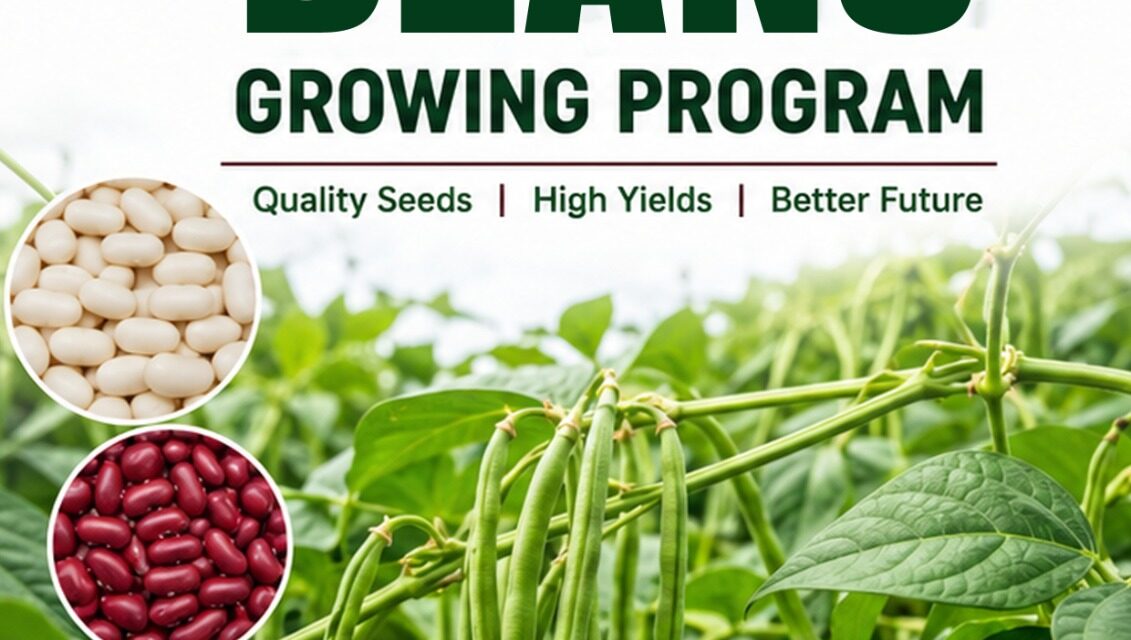
The SeedPro Bean Growing Program provides a complete nutrition schedule designed to support bean plants from planting until maturity. By supplying the right nutrients at the right time, farmers can produce healthier crops, increase yields, and improve grain quality.
Why Proper Nutrition Is Important in Bean Farming
Beans require a balanced supply of nutrients throughout their growth cycle. Although beans can fix nitrogen through root nodules, they still require phosphorus, potassium, calcium, magnesium, and micronutrients to achieve maximum productivity.
A well-fed bean crop benefits from:
- Strong root development
- Vigorous early growth
- More flowering sites
- Better pod formation
- Larger and well-filled grains
- Uniform crop maturity
- Higher resistance to environmental stress
- Increased market value
A structured nutrition program helps the crop make the most of available moisture and soil nutrients.
Stage 1: Planting
The first stage determines how well the crop establishes itself.
Recommended Product
SeedPro DAP Plus
Apply DAP Plus at the rate of 75–100 kg per acre, depending on soil fertility and soil test results.
Phosphorus is essential during the early stages because it stimulates root growth and helps seedlings establish quickly.
Benefits of DAP Plus
- Encourages rapid germination
- Promotes strong root development
- Supports early plant vigour
- Improves nutrient uptake throughout the season
Healthy roots create the foundation for a productive bean crop.
Stage 2: Early Growth Stage
One week after germination, bean plants begin active vegetative growth and require additional nutrients to build healthy stems and leaves.
Recommended Products
- Sure P
- Sure Grow High Phosphorus (8:41:6)
- Maximizer
Recommended Spray Program
Mix the following in 20 litres of water:
- 40 ml Sure P
- 30 g Sure Grow High Phosphorus
- 10 ml Maximizer
Spray twice at weekly intervals.
Benefits
Sure P
Provides phosphorus that supports root expansion and improves energy transfer within the plant.
Sure Grow High Phosphorus
Encourages:
- Vigorous vegetative growth
- Strong stems
- Healthy leaf development
Maximizer
Acts as a bio-stimulant that enhances nutrient uptake and helps the crop recover quickly from environmental stress.
This stage prepares the plant for successful flowering.
Stage 3: Vegetative Stage
Approximately one month after planting, bean plants require additional nutrients to support rapid canopy development.
Recommended Products
- Calcitopper
- Sure Grow High Nitrogen
- Macro Pro
- Maximizer
Nutrition Program
- Top dress using Calcitopper.
- Spray Sure Grow High Nitrogen once.
- Apply 40 ml Macro Pro and 10 ml Maximizer in 20 litres of water.
- Repeat spraying twice at weekly intervals.
Benefits
Calcitopper
Provides nitrogen and calcium that strengthen stems and encourage healthy plant growth.
Sure Grow High Nitrogen
Supports:
- Dark green leaves
- Increased photosynthesis
- Strong vegetative growth
Macro Pro
Supplies balanced nutrients that sustain continuous crop development.
Maximizer
Improves nutrient absorption and supports vigorous plant growth.
Healthy vegetative growth directly influences the number of flowers and pods produced later.
Stage 4: Flowering, Pod Formation and Grain Filling
This is the most important stage because it determines final yield.
Poor nutrition during flowering often results in flower drop, poor pod filling, and low grain weight.
Recommended Products
- Siri Tunda
- Magbozinc
- Sure Grow High Potassium
- NPK 13:13:46
- Sure Cal
Nutrition Schedule
- Apply Siri Tunda fertilizer.
- Spray Magbozinc once.
- One week later, begin spraying Sure Grow High Potassium.
- Alternate with Sure Cal every week until crop maturity.
Benefits
Magbozinc
Provides magnesium, boron, and zinc that improve flowering, pollination, and pod formation.
Benefits include:
- More flowers
- Better pollination
- Reduced flower abortion
- Improved pod setting
Sure Grow High Potassium
Potassium supports:
- Better grain filling
- Larger pods
- Uniform seed size
- Increased grain weight
- Improved drought tolerance
Sure Cal
Calcium strengthens plant tissues and improves nutrient movement within the crop.
Benefits include:
- Stronger pods
- Better grain quality
- Reduced pod cracking
- Improved shelf life after harvest
Alternating potassium and calcium throughout pod development ensures the crop produces high-quality beans with excellent market value.
Common Nutrient Deficiencies in Beans
Recognizing nutrient deficiencies early can prevent major yield losses.
Nitrogen Deficiency
Symptoms include:
- Pale green leaves
- Slow plant growth
- Reduced canopy development
Phosphorus Deficiency
Signs include:
- Purple colouring on leaves
- Weak root systems
- Delayed maturity
Potassium Deficiency
Symptoms include:
- Brown leaf edges
- Poor pod filling
- Small grains
Calcium Deficiency
May cause:
- Weak stems
- Poor pod development
- Reduced grain quality
Magnesium Deficiency
Often appears as:
- Yellowing between leaf veins
- Reduced photosynthesis
- Weak plant growth
Correcting deficiencies early helps maintain crop productivity.
Additional Management Practices for High Bean Yields
Nutrition alone cannot guarantee maximum production. Farmers should also follow good agronomic practices, including:
- Use certified bean seed adapted to your region.
- Plant at the recommended spacing.
- Control weeds early to reduce competition.
- Scout regularly for pests such as bean stem maggots, aphids, and pod borers.
- Monitor for diseases like angular leaf spot, anthracnose, and rust.
- Rotate beans with cereals to reduce disease pressure.
- Avoid waterlogging, especially during flowering.
- Harvest when pods are fully mature and dry to reduce post-harvest losses.
Combining these practices with a structured nutrition program results in healthier crops and higher profits.
Why Choose the SeedPro Bean Growing Program?
The SeedPro Bean Growing Program is designed to supply nutrients according to the crop’s growth stages, ensuring that beans receive exactly what they need when they need it most.
Benefits include:
- Balanced nutrition from planting to harvest
- Strong root establishment
- Vigorous vegetative growth
- Improved flowering and pod formation
- Better grain filling
- Higher yields per acre
- Superior grain quality
- Increased farm profitability
By following the recommended schedule, farmers can maximize the performance of both rain-fed and irrigated bean crops.
Conclusion
Bean farming continues to play a vital role in Kenya’s food security and agricultural economy. However, achieving high yields requires more than good seed and favourable weather. A well-planned nutrition program is essential for producing healthy plants, maximizing pod formation, and harvesting high-quality grain.
The SeedPro Bean Growing Program provides farmers with a practical, stage-by-stage feeding schedule that supports the crop from planting through grain filling. When combined with good agronomic practices, this program helps farmers improve productivity, enhance grain quality, and increase returns on investment.
Whether you are growing beans for home consumption, local markets, or commercial production, investing in proper crop nutrition is one of the most effective ways to achieve consistent, profitable harvests.